Healthcare tops list of expenses Americans are most worried about
In a recent episode of HBO’s The Pitt, an Emmy-award-winning medical drama set in a Pittsburgh emergency room, a family is confronted with the harsh realities of affording healthcare in the United States. The father arrives in diabetic ketoacidosis—a life-threatening complication. When physicians press him about his condition, he admits he’s been rationing his insulin to save money, taking only half as much as prescribed to make it last longer.
The family, it turns out, fell within the coverage gap—earning too much to qualify for Medicaid, but too little to afford private insurance. When the daughter opens a GoFundMe, her parents demand she shut it down, refusing to accept “charity.” Viewers are left to wait and find out what happens to the family in the coming days.
It’s powerful television. It’s also reality for many Americans.
A concern at the top of everyone’s list
Healthcare costs now top the list of everyday expenses Americans are most worried about, according to a recent poll by KFF Health News. And seventy-five percent say this is likely to impact how they vote in the coming midterm.
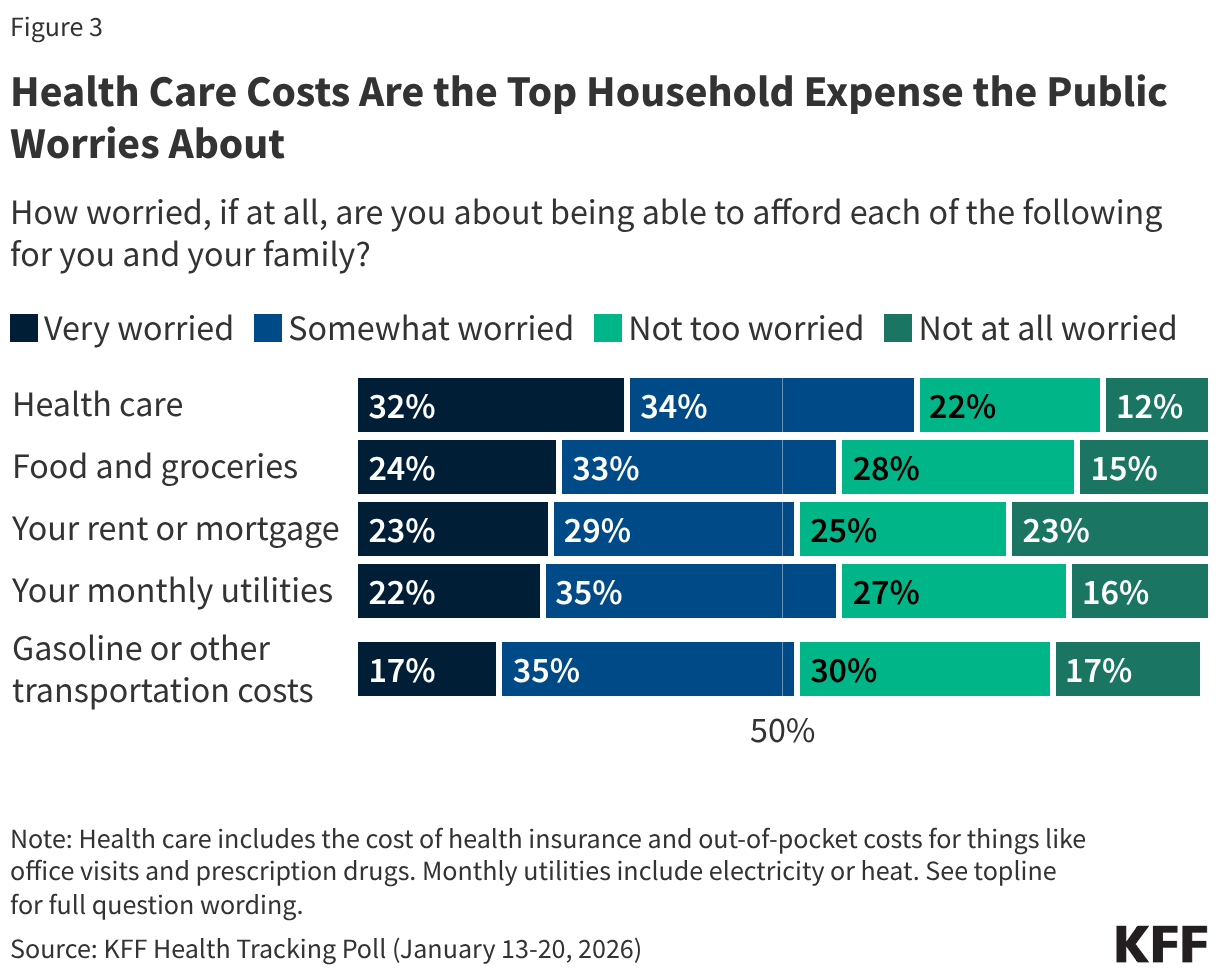
The data show it’s not a partisan issue. A majority of Democrats, Republicans, and Independents reported feeling the pressure of increased costs on their household budgets, and expect costs to rise in the coming year.
More than two-thirds of respondents also say that Congress was wrong not to extend the enhanced ACA tax credits, a feeling that may become even more significant as the effects of that decision play out. Early data is already raising red flags among researchers. According to an analysis of state-based marketplace data from the Georgetown Center on Health Insurance Reforms, consumers in multiple states are cancelling coverage at higher rates this year, in some states at four times last year’s rate. More people are expected to drop insurance coverage altogether in the coming months.
Where do things go from here?
With concerns about healthcare costs beginning to outweigh those of other essentials, more Americans appear to be rationing medications, or avoiding care altogether. A recent report from the Health Means Everything Consumer Alliance found that two million people in Maryland alone state that they have skipped or split doses or didn’t fill a prescription due to cost, and 48% of respondents reported delaying or skipping care completely. As one mother who cancelled her coverage told KFF Health News, “we decided that, ultimately, it would be better for us to gamble.”
With more and more people like this mother rolling the dice on healthcare decisions, it’s setting the stage for an increase in real life situations that mirror the plot of The Pitt episode. Delaying or skipping care—especially for chronic conditions like diabetes or cancer—can worsen conditions and cascade into higher costs and higher risk to life. Already, too many people are left to crowdfund their basic care.
Register before prices increase!
The healthcare affordability crisis isn’t a partisan issue. It’s a human one. This one-day conference brings together leaders who recognize that solutions won’t come from staying in our corners.