
LOWN26: Confronting Healthcare Affordability


LOWN26 Testimonials
We asked attendees two questions:
1. How is the affordability crisis playing out in your community?
2. How has attending this conference affected your thinking
about what’s possible?
The healthcare affordability crisis isn’t a partisan issue. It’s a human one. This one-day conference brought together leaders who recognize that solutions won’t come from staying in our corners. It will come from those brave enough to step out of them.
LOWN26 convened policymakers, clinicians, hospital leaders, business executives, and union organizers, united by one conviction: care shouldn’t crush the finances of American families.
Through open debate and honest exchange, we broke down silos, stress-tested assumptions, and identified areas of consensus. The goal was not performance or positioning, but clarity about where progress is possible and what responsibility demands. A special focus was placed on young clinicians whose voices are vital to the work ahead.
After decades of gridlock as our nation’s health declines, there’s no more time for hesitation and finger pointing. Where things go from here depends on leaders willing to rethink what’s possible and act with boldness and purpose.
Are you ready to shape the future rather than wait for it? Join us!
Check out our “Sizzle Reel,” a two minute recap of some of the highlights from LOWN26!
Program
Opening Remarks
Competing policy ideas for affordability and the search for common ground
Every speaker on this panel arrives with a worldview shaped by a distinct place on the political spectrum, from free-market right to progressive left, and each has watched that worldview collide with political reality. This panel cuts to the chase: which elements of these frameworks survive first contact with the real world, and where do the Venn diagrams overlap? As working families face impossible choices between care and financial survival, finding common ground isn’t a thought experiment, it’s a moral imperative.
- Erin C. Fuse Brown, JD, Professor of Health Services, Policy & Practice, Brown University School of Public Health (Moderator)
- Michael F. Cannon, Director of Health Policy Studies, Cato Institute
- Adam Gaffney, MD, Assistant Professor of Medicine, Harvard Medical School; Past-President, Physicians for a National Health Program
- Hayden Rooke-Ley, JD, Senior Fellow, Brown University School of Public Health
- Avik Roy, MD, Co-Founder and Chairman, Foundation for Research on Equal Opportunity
Policy under pressure: What will and won’t work in the real world
In Washington, across the states, and in boardrooms, everyone’s got ideas for addressing the healthcare affordability crisis. The previous panel mapped out much of the ideological terrain. Now a group of experienced practitioners — a hospital CEO, a clinician, a former state health commissioner, and a journalist — tells us what happens when theory meets reality. What’s politically viable, operationally feasible, and capable of actually making a difference?
- Lily Cervantes, MD, Director of Immigrant Health and Professor of Medicine, University of Colorado Anschutz Medical Campus; 2024 BLASR winner (Moderator)
- Fred Cerise, MD, President and Chief Executive Officer, Parkland Health
- Jeanne Lambrew, PhD, Director of Health Care Reform and Senior Fellow, The Century Foundation; Former Commissioner of the Maine Department of Health and Human Services
- Noam Levey, Senior Correspondent, KFF Health News
Exit or organize? Primary care pathways to a more affordable system
Study after study confirms that robust primary care is the foundation of an affordable health system. Yet American medicine has systematically left it undervalued and underfunded — leaving clinicians to burn out, opt out, or ask a harder question: what if working within the system is itself the problem? Direct Primary Care promises liberation from insurer bureaucracy, but can it scale? Does collective action through physician unionization offer a better path to clinician control of care? This session explores what it will actually take for primary care to become the backbone of a more affordable system.
- Reshma Ramachandran, MD, Assistant Professor, Yale; Co-director, Yale Collaboration for Regulatory Rigor, Integrity, and Transparency; 2025 BLASR winner (Moderator)
- Michael L. Barnett, MD, Professor of Health Services, Policy & Practice, Brown University School of Public Health
- Paul Carlan, MD, President, Valley Medical Group
- Kenneth Qiu, MD, Founder, EuDoc Direct Primary Care
- Zirui Song, MD, Associate Professor of Health Care Policy and Medicine, Harvard Medical School
Red state, blue state: Health secretaries assess the situation
Indiana and Massachusetts may not share much politically, but they share a lot when it comes to the fiscal challenges of healthcare. Gloria Sachdev spent years as an employer advocate demanding more from Indiana’s healthcare providers before stepping into state government; Kate Walsh ran one of the country’s premier safety-net hospitals before serving as Massachusetts’ top health official. With gridlock at the federal level, are states prepared to use their regulatory authority to advance reforms?
- Vikas Saini, MD, President, Lown Institute (Moderator)
- Gloria Sachdev, PharmD, Indiana Secretary of Health and Family Services; Former CEO of Employers Forum of Indiana
- Kate Walsh, MPH, Former Secretary of Health and Human Services, Massachusetts; Former CEO of Boston Medical Center
Hospital CEOs on maintaining affordability and sustainability under pressure
These four CEOs represent hospitals that received exceptional scores on the Lown Hospitals Index for Social Responsibility — meaning that despite enormous external pressures, they’ve found ways to deliver. But what does that actually look like from the inside, and how do you sustain it? This conversation explores the tensions involved with meeting the demands of clinical care, education, and research while maximizing social responsibility and affordability. What new business practices, technologies, and care delivery approaches show the most promise for lowering costs without compromising quality? And what qualities will the next generation of leaders need to carry this work forward?
- Donna Lynne, DrPH, CEO, Denver Health (Moderator)
- Brendan G. Carr, MD, CEO, Mount Sinai Health System
- Jason Carter, MBA, President and Chief Operating Officer, Duke Regional Hospital
- Susan Ehrlich, MD, CEO, Zuckerberg San Francisco General Hospital and Trauma Center
Young clinicians and the fight for socially responsible medicine
After a full day of debate and honest exchange, attendees will have the chance to work through what they’ve heard, at their tables. What threads connected for you? Where did the day’s conversations surprise? This interactive session will be led by some of the most compelling young voices in healthcare reform. Hear how they found traction in changing systems that don’t move easily, then bring your own perspective to bear as you work through what responsibility looks like for you.
- Lily Cervantes, MD, Director of Immigrant Health and Professor of Medicine, University of Colorado Anschutz Medical Campus; 2024 BLASR winner (Co-Moderator)
- Reshma Ramachandran, MD, Assistant Professor, Yale; Co-director, Yale Collaboration for Regulatory Rigor, Integrity, and Transparency; 2025 BLASR winner (Co-Moderator)
- Christopher Cai, MD, General Internal Medicine fellow, Brigham and Women’s Hospital
- Alaina Geary, MD, Davidoff Senior Physician Executive Fellow in Health Equity, Boston Medical Center
- Apoorva Ram, MD, Content Director for Healthcare Structures, Policy, and Economics, University of Colorado School of Medicine
This year our dinner honoring the winner of the Bernard Lown Award for Social Responsibility was held in conjunction with the LOWN26 conference.
The BLASR is awarded annually to a young clinician who demonstrates bold leadership in social justice, health care reform, environmental justice, global peace, or other humanitarian efforts, and comes with a $25,000 prize.
SPONSORS
CHANGEMAKER

CHANGEMAKER

CHANGEMAKER

PARTNER

ADDITIONAL SPONSORS
Vikas Saini, MD
Maureen & Nassib Chamoun
Patricia A. Gabow, MD
Jack & Sheila Evjy
Christian Ramsey
Thanks also to our generous anonymous sponsors!
Panelists
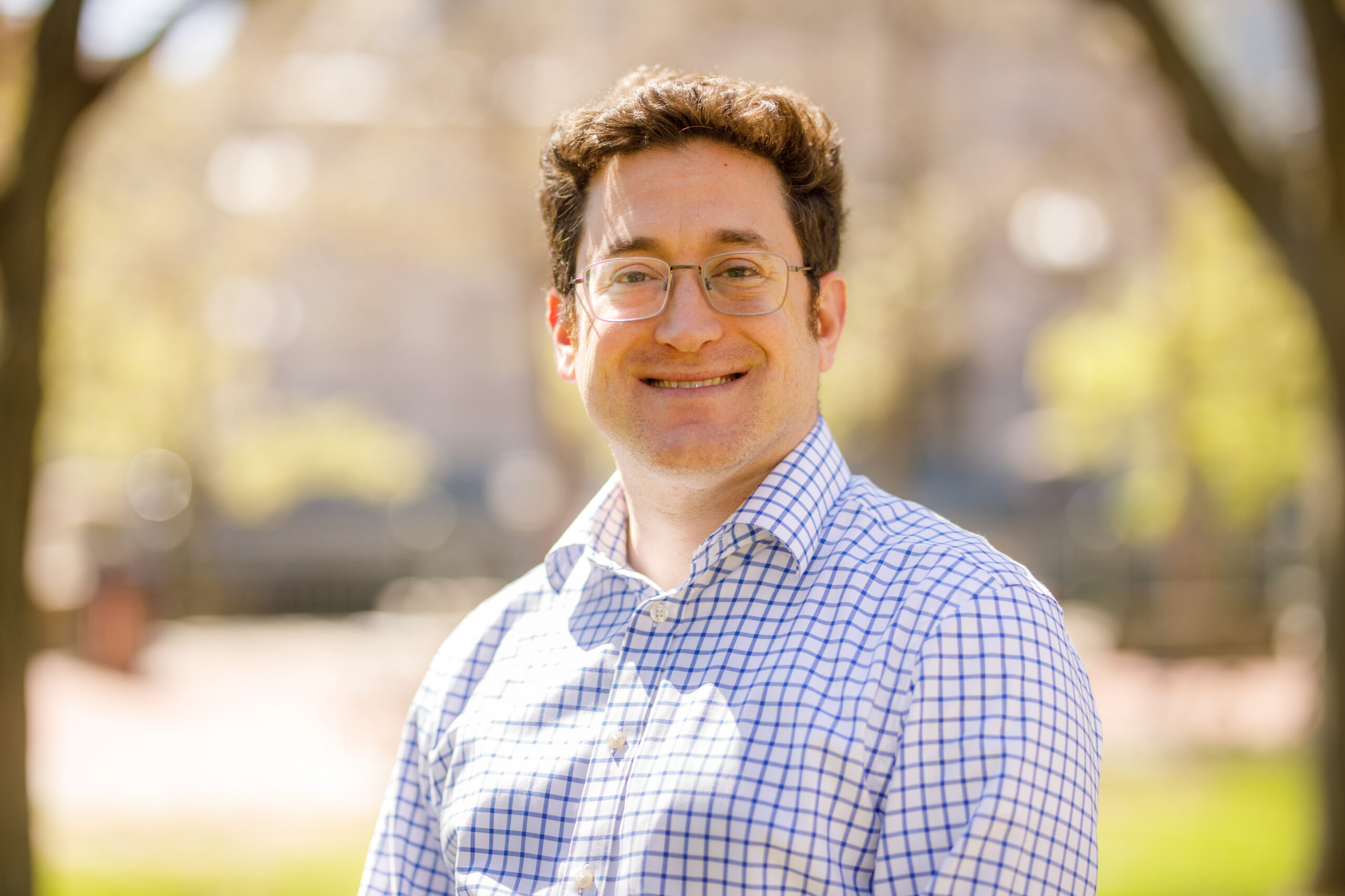
Michael L. Barnett, MD
Professor of Health Services, Policy & Practice, Brown University School of Public Health
Dr. Michael L. Barnett is the Sorenson Family Provost’s Professor of Health Services Policy & Practice at Brown University School of Public Health and a primary care physician at Brigham and Women’s Hospital. Prior to being at Brown, he was an Associate Professor of Health Policy and Management at the Harvard T.H. Chan School of Public Health. Dr. Barnett received his MD from Harvard Medical School and completed a residency and fellowship in primary care and general internal medicine at Brigham and Women’s Hospital. Dr. Barnett’s research focuses on high-risk prescribing, organization of primary and specialty care, and care delivery in nursing homes. He collaborates with a wide range of research partners on these topics, including public health systems in Los Angeles, New York City, and San Francisco, as well as hospital systems and health insurers. He is the recipient of multiple national research awards including outstanding junior investigator from the Society of General Internal Medicine, and citations for best research of the year from the National Institute of Healthcare Management and AcademyHealth. His work has also been covered widely in national media including the New York Times, NPR, Wall Street Journal, and CNN. His research is supported by federal agencies and foundations including the National Institute on Aging, AHRQ, Wellcome Trust, and Donaghue Foundation.
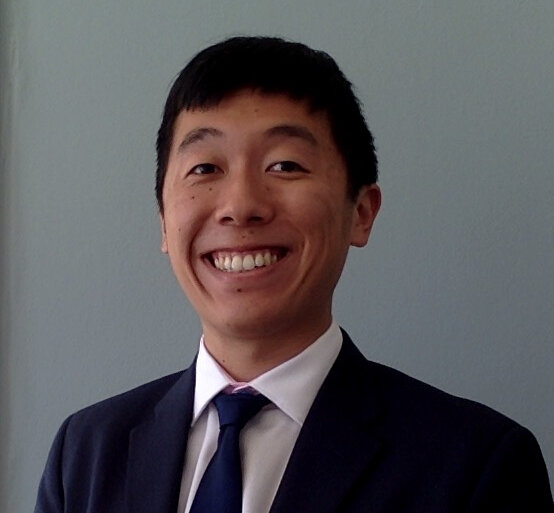
Christopher Cai, MD
General Internal Medicine fellow, Brigham and Women’s Hospital
Christopher Cai, MD is a General Internal Medicine fellow at Brigham and Women’s Hospital and PORTAL. His research interests are in health care financing and payment reform. He previously worked as a policy fellow in the US House of Representatives. He completed his residency in Internal Medicine (primary care) at Brigham and Women’s Hospital, his MD from the University of California San Francisco and his BA from the University of Virginia. His work on Medicare for All financing has been published in PLoS Medicine and shared by members of Congress. During medical school, he interned with U.S. Representative Pramila Jayapal and was a board member of Students for a National Health Program.
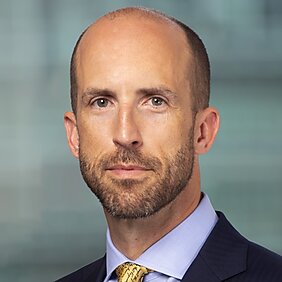
Michael F. Cannon
Director of Health Policy Studies, Cato Institute
Michael F. Cannon is the Cato Institute’s director of health policy studies. His scholarship spans public health; regulation of clinicians, medical facilities, pharmaceuticals, and medical devices; employer-sponsored and other private health insurance; Medicare; Medicaid; CHIP; the Veterans Health Administration; medical malpractice litigation; administrative law; international health systems; political philosophy; and more. Cannon is “an influential health‐care wonk” (Washington Post) and “the most famous libertarian health care scholar” (Washington Examiner). Washingtonian magazine named Cannon one of Washington, DC’s Most Influential People in 2021, 2022, 2023, 2024, and 2025.

Paul Carlan, MD
President, Valley Medical Group
Paul Carlan, MD is President and CEO of Valley Medical Group, an independent, primary care–driven multispecialty practice serving approximately 50,000 patients across Hampshire and Franklin Counties in western Massachusetts. A graduate of Amherst College and Georgetown University School of Medicine, Dr. Carlan is board certified in Internal Medicine and Pediatrics and has practiced primary care in Greenfield since 2004.
Since becoming President and CEO in 2021, he has led VMG’s evolution as a physician-led organization committed to delivering high-value care through strong primary care, population health management, and innovative contracting models. VMG employs approximately 400 staff, including 100 clinician shareholders. Dr. Carlan has also served on the boards of two local physician-hospital organizations.
He lives on a small farm with his wife and enjoys cycling, skiing, and gardening.
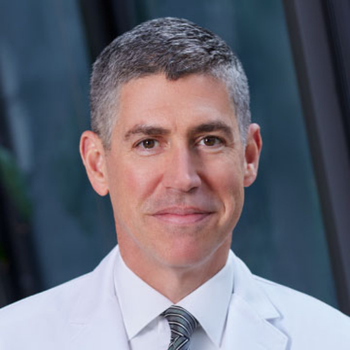
Brendan G. Carr, MD
CEO, Mount Sinai Health System
Brendan G. Carr, MD, MA, MS, Chief Executive Officer and the Kenneth L. Davis, MD, Distinguished Chair, Mount Sinai Health System, is a nationally recognized leader in academic medicine and health policy.
Dr. Carr leads as a physician-scientist. He completed his residency in emergency medicine, as well as fellowships in trauma and surgical critical care and in health policy research. In addition to clinical practice, he maintained a decades-long funded research portfolio and served in multiple policy roles within the U.S. Department of Health and Human Services. He is a renowned physician, mentor, and delivery system strategist. His focus is on harnessing expertise and using data to build high-functioning teams in order to improve health care delivery.
Dr. Carr is advancing Mount Sinai’s capacity to conduct groundbreaking research, pioneer innovative care, and provide a world-leading education to future health care leaders. He guides Mount Sinai’s strategy, operations, and business development, including the Icahn School of Medicine at Mount Sinai and its Graduate School of Biomedical Sciences, the Mount Sinai Phillips School of Nursing, Mount Sinai’s nationally and regionally ranked hospitals, and more than 400 ambulatory locations and physician practices.
Dr. Carr previously held faculty roles at the Icahn School of Medicine at Mount Sinai, Thomas Jefferson University’s Sidney Kimmel Medical College, and the University of Pennsylvania’s Perelman School of Medicine. He is an elected member of the National Academy of Medicine and graduated from the Temple University School of Medicine.Brendan G. Carr, MD, MA, MS, Chief Executive Officer and the Kenneth L. Davis, MD, Distinguished Chair, Mount Sinai Health System, is a nationally recognized leader in academic medicine and health policy.

Jason Carter, MBA
President and Chief Operating Officer, Duke Regional Hospital
Jason Carter, MBA is the President and Chief Operating Officer of Duke Regional Hospital, where he leads the overall management and operational performance of the 388-bed community hospital. In this role, he works closely with leaders from Duke University Health System to advance strategic initiatives, strengthen team engagement, and elevate patient care across the Durham community.
Jason joined Duke Health in November 2023 as Chief Operating Officer of Duke Regional Hospital and quickly became an integral member of the senior leadership team. He was named Interim President and Chief Operating Officer in December 2024 and formally appointed to the role of President and COO in May 2025. During this transition, he provided steady, people-centered leadership with a strong focus on operational excellence, performance improvement, and organizational alignment.
With more than 20 years of healthcare leadership experience, Jason is known for his ability to engage teams, drive results, and remain grounded in the mission of serving patients and communities. Prior to joining Duke Regional, he served as Senior Vice President and Chief Operating Officer of Baltimore Washington Medical Center, part of the University of Maryland Medical System, where he oversaw all clinical and non-clinical operations of the medical center and its ambulatory enterprise. Jason holds a Bachelor of Science in Business Administration from Appalachian State University and a Master of Business Administration from Winston-Salem State University. He is deeply committed to fostering a culture where team members feel supported, valued, and empowered to deliver exceptional, compassionate care.

Fred Cerise, MD
President and Chief Executive Officer, Parkland Health
Frederick P. Cerise, MD, MPH has served as President and Chief Executive Officer of Parkland Health since 2014. His previous roles include the Secretary of the Louisiana Department of Health and Hospitals and the Vice President for Health Affairs and Medical Education of the Louisiana State University System.
Dr. Cerise holds a Bachelor of Science degree from University of Notre Dame and earned his Medical Degree at Louisiana State University, New Orleans. He completed a residency in Internal Medicine at the University of Alabama, Birmingham and earned a Master of Public Health degree from Harvard University School of Public Health.
He is the chairman of the American Board of Internal Medicine Foundation Board of Trustees and serves on the board of KFF. He previously served as a Commissioner on the Medicaid and CHIP Payment and Access Commission.
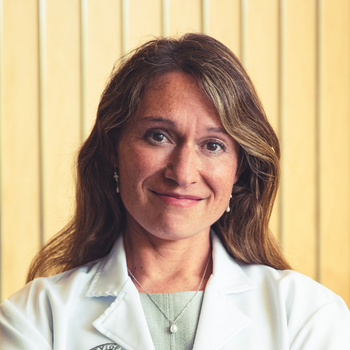
Lily Cervantes, MD
Director of Immigrant Health and Professor of Medicine, University of Colorado Anschutz Medical Campus; 2024 BLASR winner
Dr. Lilia Cervantes is a tenured Professor of Medicine and the Director of Immigrant Health Research at the University of Colorado Anschutz Medical Campus. A national leader in community-partnered research, she generated the evidence that transformed Medicaid policy for undocumented patients with kidney failure. Her mixed-methods and epidemiologic studies demonstrated that shifting from emergency-only dialysis to scheduled outpatient care reduces mortality 14-fold and lowers costs by $15,000 per patient per month, data that catalyzed Colorado’s 2019 policy change and subsequent reforms across more than 20 states. Her research program focuses on improving outcomes for socially marginalized populations through community-engaged methods, implementation science, and pragmatic clinical trials. She leads community-based trials, including Navigate-Kidney, a randomized study showing that community health worker support improves patient-centered and clinical outcomes. She has authored publications shaping national discourse in health equity, immigrant health, and Medicaid. Dr. Cervantes also advances systemic change through leadership in health policy, advocacy training for physician-scientists, and service on appointed state and institutional boards overseeing health insurance policy, a safety-net health system, and community organizations. Her transformative contributions to health equity, policy impact, and community-partnered science have been recognized with major honors including the Bernard Lown Social Responsibility Award (2024) and the American Academy of Physicians’ Helen Ranney Award (2026).

Susan Ehrlich, MD
CEO, Zuckerberg San Francisco General Hospital and Trauma Center
Dr. Ehrlich is the Chief Executive Officer of the Priscilla Chan and Mark Zuckerberg San Francisco General Hospital and Trauma Center and a Professor of Medicine with the University of California, San Francisco. ZSFG is a 397-bed acute care hospital and a key part of the San Francisco Health Network and the San Francisco Department of Public
Health. ZSFG is owned and operated by the City and County of San Francisco, and through its long-standing affiliation with the University of California, San Francisco, serves as a
major academic teaching site, the City’s only Level 1 Trauma Center, and its only 24/7psychiatric emergency department. With its almost 6,000 DPH and UCSF staff and providers, annually ZSFG serves 100,000 patients – 1 in 8 San Franciscans –, provides 20% of the City’s inpatient care, and almost 365,000 full-scope ambulatory primary and specialty care visits. ZSFG serves all San Franciscans and is focused on its most vulnerable citizens, with the vast majority of its patients on Medicaid, Medicare or uninsured.
Prior to her appointment at ZSFG, Dr. Ehrlich served as the Chief Executive Officer, Chief Medical Officer, Vice President of Ambulatory Care Services, founding Medical Director of
the Ron Robinson Senior Care Center and Assistant Health Officer for the San Mateo County Health System. Dr. Ehrlich also has extensive background and knowledge of public
health policy and finance at all levels of government, having served as Budget and Planning Director for the San Francisco Department of Public Health and a health care analyst within the California State Legislative Analyst’s Office. She is a Lean-certified physician executive with extensive experience leading and transforming public health care organizations serving diverse and vulnerable populations. During 2019 she led ZSFG’s Epic go-live and beginning in early 2020 its response to the COVID-19 pandemic.
Dr. Ehrlich received her BA in Public Policy Studies from Duke University, her Master’s in Public Policy from the Goldman School of Public Policy at the University of California, Berkeley, and her MD from the University of California, San Francisco. She is board certified
in Internal Medicine and completed her primary care internal medicine residency at Brigham and Women’s Hospital, a Harvard University-affiliated training hospital. She previously served as the Chair of the Board for the California Association of Public Hospitals, and Chair of the Board for America’s Essential Hospitals. She currently is a
Trustee for the California Hospital Association and on the Board of Directors for the Institute for Healthcare Improvement. In 2024 she was named a San Francisco Icon by the San Francisco Examiner and a Most Admired CEO by the San Francisco Business Times. She was named by Becker’s Healthcare as one of the “Woman Hospital Presidents and CEOs to Know” in 2023 and 2024 and by Modern Healthcare Magazine as one of the most
100 Most Influential People in Healthcare in 2020.
She is devoted to serving patients directly and continues to practice primary care internal medicine at the Richard Fine People’s Clinic on the ZSFG campus.
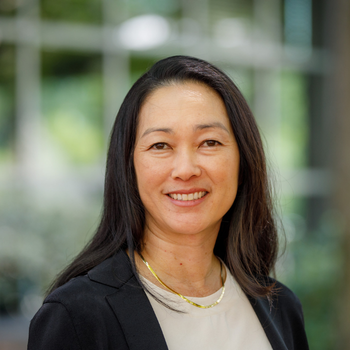
Erin C. Fuse Brown
Professor of Health Services, Policy & Practice, Brown University School of Public Health
Erin C. Fuse Brown, J.D., M.P.H., is a Professor of Health Services, Policy & Practice at Brown University School of Public Health, the director of the Health Law & Policy Lab, and a faculty member of the Center for Advancing Health Policy through Research. She specializes in health law and policy, and her research focuses on health care finance, consolidation, and corporatization. Professor Fuse Brown’s work has influenced health policy at the state and national levels. She has testified before the Senate Judiciary Committee, Federal Trade Commission, and state legislative committees, and she has consulted with the National Academy for State Health Policy, Milbank Memorial Fund, and federal and state policymakers on legal and policy strategies to protect health care consumers, control health care costs, and address health care consolidation.

Adam Gaffney, MD
Assistant Professor of Medicine, Harvard Medical School; Past—President, Physicians for a National Health Program
Adam Gaffney, MD, MPH, is a pulmonary and critical care physician at the Cambridge Health Alliance, an Assistant Professor in Medicine at Harvard Medical School, a fellow at the Lown Institute, and a health policy researcher at the Cambridge Health Justice Lab. His research focuses on healthcare financing and reform, and he has authored or co-authored more than 80 academic articles in medical and policy journals. He is a Past-President of the non-profit organization Physicians for a National Health Program (PNHP), and is a frequent writer and commentator on matters of health and policy. He is the author of To Heal Humankind: The Right to Health in History, published in 2017. Dr. Gaffney received his medical degree from New York University and his MPH from Harvard T.H. Chan School of Public Health. He completed his residency at the Columbia University Medical Center, where he served as chief resident, and his fellowship in pulmonary and critical care medicine at Massachusetts General Hospital, Brigham and Woman’s Hospital, and the Beth Israel Deaconess Medical Center.

Alaina Geary, MD
Davidoff Senior Physician Executive Fellow in Health Equity, Boston Medical Center
Alaina Geary, MD, MHPE is a board certified attending surgeon in the section of Surgical Oncology at Boston Medical Center practicing general surgery and breast oncology. She currently holds the academic title of Assistant Professor of Surgery at the Boston University Chobanian & Avedisian School of Medicine. She completed her undergraduate studies at Ursinus College, a small liberal arts college outside of Philadelphia and went on to complete her medical training at Tufts University School of Medicine. Dr Geary subsequently completed her general surgery training at Boston Medical Center. During her academic development time, she also completed a masters degree in Health Professions Education with a concentration in qualitative research methodology. Her research interests include surgical education and the intersection of surgical outcomes and social determinants of health. She has been funded by professional organizations and the National Institutes of Health.
Dr Geary has demonstrated longstanding commitment to diversity, equity, and inclusion on the Boston University Medical campus, locally in New England, and at the national level. As a culmination of these efforts, she is currently serving as the Ravin Davidoff Physician Executive Fellow in Health Equity at Boston Medical Center.
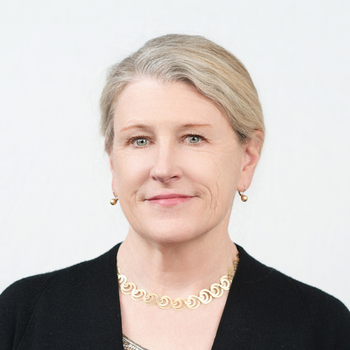
Jeanne Lambrew, PhD
Director of Health Care Reform and Senior Fellow, The Century Foundation; Former Commissioner of Health, Maine
Jeanne Lambrew is the director of health care reform at The Century Foundation where she works to advance the accessibility and affordability of health care. She is also an Adjunct Professor at the Harvard School of Public Health.
From 2019 to 2024, she served as the commissioner of the Maine Department of Health and Human Services. As commissioner, Lambrew helped expand and improve health care, achieve the state’s record low uninsured rate, and lead Maine’s COVID-19 response.
Dr. Lambrew previously served in government from 2009 to 2016 during the Obama Administration. She served as director of the Health and Human Services’ Office of Health Reform and deputy assistant to the President for health policy. In these roles, she helped with passage and the implementation of the Affordable Care Act.
She also served in policy positions in the Clinton Administration working to improve Medicare, Medicaid, the Children’s Health Insurance Program, and the public health system.
In between government positions, Dr. Lambrew was an associate professor at the Lyndon B. Johnson School of Public Affairs and the George Washington University School of Public Health. She was a senior fellow at the Center for American Progress and The Century Foundation.

Noam Levey
Senior Correspondent, KFF Health News
Noam N. Levey is a Washington, D.C.,-based senior correspondent for KFF Health News, where he is currently producing “Common Ground,” a collaboration with NPR exploring where Americans agree about health care, even in this era of political polarization. Noam joined KFF Health News in 2021 after 17 years at the Los Angeles Times, the last 12 as the paper’s national healthcare reporter based in Washington. He has reported on healthcare issues from more than three dozen states and four continents and won numerous honors, including a Loeb award and two NIHCM awards, one in 2020 for his series “Inside America’s High-Deductible Revolution” and one in 2023 for “Diagnosis: Debt,” a multi-year investigation of the nation’s medical debt crisis. Noam has also been published in Health Affairs, JAMA and Milbank Quarterly. He started his career at newspapers in Duluth, Minn., Montgomery, Ala., and the United Arab Emirates. Prior to the LA Times, Noam was an investigative reporter for the San Jose Mercury News. Noam has a degree in History and Near Eastern Studies from Princeton University.
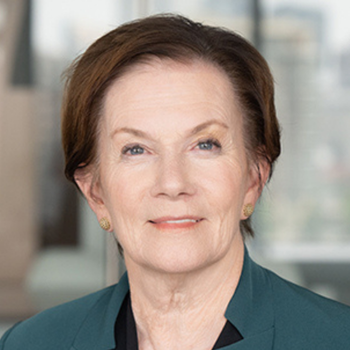
Donna Lynne, DrPH
CEO, Denver Health
Donna Lynne, DrPH, is the Chief Executive Officer for Denver Health and Hospital Authority, a $1.4 b community-based clinic and hospital system, providing 1.2 m patient visits a year. DHHA also operates a health plan and operates 19 school-based clinics and 10 ambulatory clinics as well as public health services. Prior to becoming the CEO of DHHA, Donna was the Chief Operating Officer of Columbia University Medical Center and the CEO of Columbia Doctors, a 2600 physician faculty practice organization supported by over 7000 non-physician staff. Donna also served as the University’s COVID-19 Director. Until January 2019, she was Colorado’s 49th Lieutenant Governor and Chief Operating Officer. Prior to assuming her roles in Colorado state government, Dr. Lynne served as the executive vice president of Kaiser Foundation Health Plan Inc. and Kaiser Foundation Hospitals, and as group president responsible for its Colorado, Pacific Northwest and Hawaii regions – overseeing an $8 billion budget, 1.4 million members and 16,000 employees. She participated in numerous boards and commissions during her time at Kaiser Permanente, including the Denver Museum of Nature and Science, the Denver Public Schools Foundation Board, the Denver Metro Chamber of Commerce and many others.
She has been recognized as one of the top women business leaders in Denver and one of the top 25 Women in Healthcare in the nation. Dr. Lynne also spent 20 years working in various positions in New York City government including First Deputy Commissioner at the Office of Labor Relations, Director of the Mayor’s Office of Operations, and Senior Vice President of the New York City Health and Hospitals Corp. She holds a bachelor’s degree in Economics and Political Science from University of New Hampshire, a Masters of Public Administration from George Washington University, and a Doctor of Public Health from Columbia University. In 2014, Dr. Lynne received an honorary doctorate of public service from the University of Denver, and in 2017 an honorary bachelor of science degree in nursing from Colorado Mountain College. She has also been an adjunct professor at Columbia University since 2005.
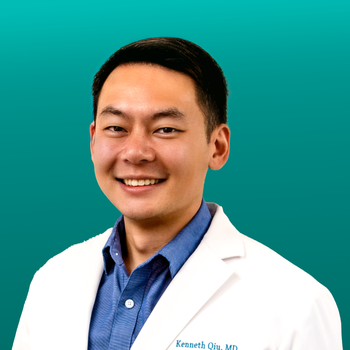
Kenneth Qiu, MD
Founder, EuDoc Direct Primary Care
Kenneth Qiu, MD is a board-certified family physician based in Virginia. He is the founder EuDoc Direct Primary Care, an independent direct primary care practice. Dr. Qiu’s work spans clinical practice, healthcare entrepreneurship, technology, and policy. In addition to caring for patients, he contributes to state and national conversations on the future of primary care through leadership roles on policy and professional boards.

Apoorva Ram, MD
Content Director for Healthcare Structures, Policy, and Economics, University of Colorado School of Medicine
Apoorva Ram is a primary care physician at the University of Colorado Hospital Anschutz Internal Medicine Clinic. She is an assistant professor in the University of Colorado Department of General Internal Medicine and affiliate faculty at the Farley Health Policy Center. She is also the content director for the University of Colorado’s medical school curriculum on healthcare policy, structures, and economics. Her policy interests include immigrant access to healthcare, primary pare payment reform, and the intersection of medical education and health policy. Her prior research has included qualitative research with undocumented immigrants who faced systemic barriers to cancer care, medical education research on health policy curricula for internal medicine residents, and qualitative research on alternative payment models. Dr. Ram completed internal medicine and chief residency at the University of Colorado, is a graduate of Northwestern University School of Medicine, and completed the Leadership in Health Policy (LEAHP) Program through the Society of General Internal Medicine (SGIM).

Reshma Ramachandran, MD
Assistant Professor, Yale; Co—director, Yale Collaboration for Regulatory Rigor, Integrity, and Transparency; 2025 BLASR winner
Reshma Ramachandran, MD, MPP, MHS is a family physician, health services researcher, and Assistant Professor within the Section of General Internal Medicine in the Department of Medicine at Yale University. She has published several peer-reviewed research articles and commentaries on the realignment of incentives for healthcare stakeholders including pharmaceutical companies, hospitals, and universities towards prioritizing equitable patient access to safe, effective health technologies. She co-directs the Yale Collaboration for Regulatory Rigor, Integrity, and Transparency (CRRIT), an interdisciplinary initiative aligning research on medical product evaluation, approval, and coverage with the goal of advancing policies that improve patient health and healthcare. Her research has led her to be invited to brief policymakers and testify before the U.S. Congress, including before the U.S. House of Representatives Committee on Energy and Commerce and Ways and Means Committee as well as the U.S. Senate Health, Education, Labor, and Pensions Committee. Previously, Dr. Ramachandran was research faculty as part of the Innovation + Design Enabling Access (IDEA) Initiative at the Johns Hopkins Bloomberg School of Public Health. Dr. Ramachandran trained in both medicine at the Alpert Medical School at Brown University and in public policy at the Harvard Kennedy School of Government. She completed her family medicine residency at Kaiser Permanente Los Angeles Medical Center and fellowship training at the National Clinician Scholars Program at Yale University. She is a Reimagining America fellow with the Roosevelt Institute.

Hayden Rooke-Ley, JD
Senior Fellow, Brown University School of Public Health
Hayden Rooke-Ley is a Senior Fellow at the Brown University School of Public Health. His work focuses on corporate consolidation in health care, Medicare and Medicaid financing, and health-care workforce issues, with publications in outlets including The New England Journal of Medicine and JAMA, and experience advising state and federal policymakers.
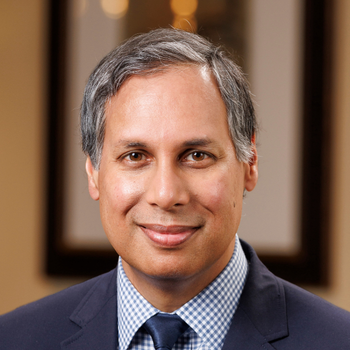
Avik Roy, MD
Co—Founder and Chairman, Foundation for Research on Equal Opportunity
Avik Roy is Co-Founder and Chairman of the Foundation for Research on Equal Opportunity, a non-partisan, non-profit think tank focused on improving the lives of Americans on the bottom half of the economic ladder using freedom, innovation, and pluralism.
National Review has called him one of the nation’s “sharpest policy minds,” while the New York Times’ Paul Krugman described him as man of “personal and moral courage.” NBC’s Chuck Todd, on Meet the Press, said Roy was one “of the most thoughtful guys [who has] been debating” health care reform.
Roy is best known for his plan to achieve universal coverage through private health insurance, which has been introduced in Congress as the Fair Care Act. He serves on advisory boards of the National Academy of Medicine, the Peterson Center on Healthcare, the University of Pennsylvania, and other organizations; is a Senior Advisor to the Bipartisan Policy Center; co-chaired the Fixing Veterans Health Care Policy Taskforce; and has served as a policy advisor to several presidential candidates, including Mitt Romney, Rick Perry, and Marco Rubio.
Along with Forbes, where Roy served as the Opinion and Policy Editor for a decade, Roy’s writing has appeared in The Wall Street Journal, The New York Times, The Washington Post, USA Today, and The Atlantic. He has appeared on numerous national television programs, including PBS NewsHour, Meet the Press, Face the Nation, and Real Time with Bill Maher.
Previously, Roy served as President of the National Institute for Health Care Management, as an Aspen Institute Health Innovators Fellow, and as a health care investor at Bain Capital, J.P. Morgan, and other firms. He serves on the boards of CrowdHealth and the Texas Bitcoin Foundation, and as Chief Strategy Officer at Strive, an asset management firm in Texas.
He was born and raised near Detroit, Michigan, and graduated from high school in San Antonio, Texas. Roy was educated at the Massachusetts Institute of Technology, where he studied molecular biology, and the Yale University School of Medicine.
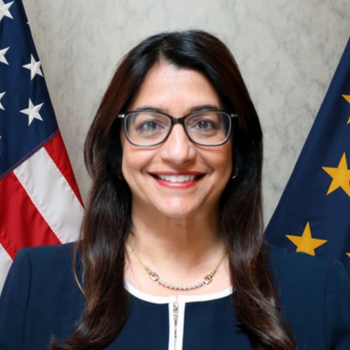
Gloria Sachdev, PharmD
Indiana Secretary of Health and Family Services; Former CEO of Employers Forum of Indiana
Dr. Gloria Sachdev serves as Secretary of Health and Family Services for the State of Indiana. Appointed by Governor Mike Braun in January 2025, Dr. Sachdev leads the health vertical which includes the following agencies: Family & Social Services Administration, Department of Health, Department of Child Services, Department of Veterans Affairs, and two smaller disability agencies. Her work is focused on advancing the Governor’s Freedom and Opportunity agenda, with strong emphasis on healthcare affordability, access, transparency, accountable chronic disease management, prevention, and innovation.
Before her current role, Dr. Sachdev served for a decade as President and CEO of the Employers’ Forum of Indiana. She is nationally recognized for her leadership in healthcare price transparency, as noted by her development of the RAND hospital price transparency studies, the creation of the Sage Transparency dashboard, and being invited to testify before Congress on healthcare market competition and transparency.
Dr. Sachdev holds a Doctor of Pharmacy from the University of Oklahoma and completed a primary care residency at the VA Hospital in Madison, Wisconsin. Her unique career spans clinical care, academia, and health policy.
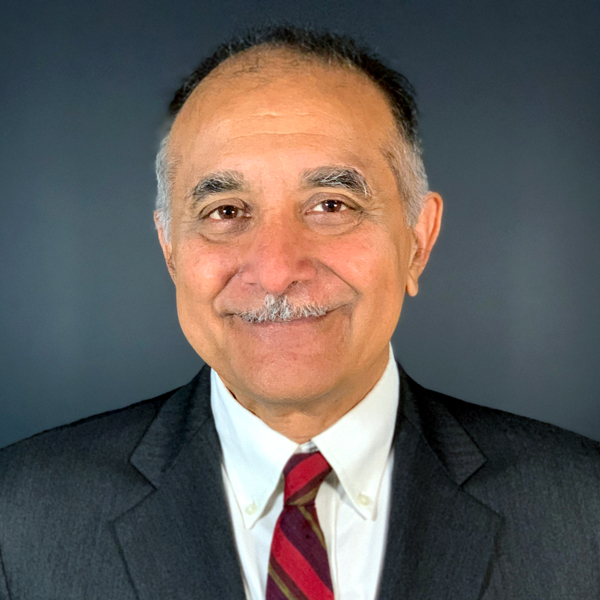
Vikas Saini, MD
President, Lown Institute
Vikas Saini, MD is president of the Lown Institute. He is a clinical cardiologist trained by Dr. Bernard Lown at Harvard, where he has taught and done research. Dr. Saini leads the Institute’s signature project, the Lown Institute Hospitals Index, the first ranking to measure hospital social responsibility. The Index, first launched in July 2020, evaluates hospitals on equity, value, and outcomes, and includes never-before-used metrics such as avoiding overuse, pay equity, and racial inclusivity.
In his role at the Lown Institute since 2012, Dr. Saini led the development of the Right Care series of papers published by The Lancet in 2017; convened six national conferences featuring world-renowned leaders in health care; and guided other Lown Institute projects such as the “Shkreli Awards.” Dr. Saini also serves as co-chair of the Right Care Alliance, a grassroots network of clinicians, patient activists, and community leaders organizing to put patients, not profits, at the heart of health care.
Prior to the Lown Institute, Dr. Saini was in private practice in cardiology for over 15 years on Cape Cod, where he also founded a primary care physician network participating in global payment contracts. He also co-founded Aspect Medical Systems, the pioneer in noninvasive consciousness monitoring in the operating room with the BIS device.
Dr. Saini is an expert on the optimal medical management of cardiologic conditions, medical overuse, hospital performance and evaluation, and health equity. He has spoken and presented research at professional meetings around the world, and has been quoted in numerous print media, radio, and television.
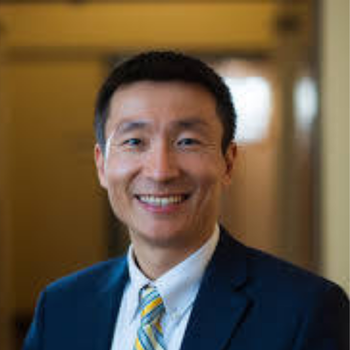
Zirui Song, MD
Associate Professor of Health Care Policy and Medicine, Harvard Medical School
Zirui Song, M.D., Ph.D. is an Associate Professor of Health Care Policy and Medicine at Harvard Medical School and a general internist at Massachusetts General Hospital, where he practices primary care and attends on the inpatient medicine teaching service.
Dr. Song’s research focuses on the health and economic effects of public policies and private sector interventions in the health care system. This includes studies of payment reform, Medicare financing, health care prices, employer programs, and private capital investments in health care delivery. Related work examines issues in primary care and public health. He directs the Health Policy concentration in the MGH Medicine Residency Program and leads health policy courses for Harvard Medical students and Mass General Brigham residents.
Dr. Song has worked on Medicare payment policy at the U.S. Department of Health and Human Services and with state policymakers on issues around access and affordability. He currently serves on the Massachusetts Health Care Affordability Working Group. He also serves as an Associate Editor of JAMA Health Forum and Editorial Board member of Health Services Research andHealth Affairs. He is an elected member of the National Academy of Social Insurance and American Society for Clinical Investigation.
Dr. Song trained in internal medicine at MGH. He received an M.D., magna cum laude, and Ph.D. in Health Policy (economics) from Harvard, where he was a fellow in Aging and Health Economics at the National Bureau of Economic Research. He received a B.A. in Public Health Studies from Johns Hopkins University.

Kate Walsh, MPH
Former Secretary of Health and Human Services, Massachusetts; Former CEO of Boston Medical Center
Kate Walsh is a seasoned executive and public health leader with over four decades of experience advancing equity, quality, and innovation in complex health systems. She serves as Chair of the Board of Directors of Summa Health, a General Catalyst HATCo company working to create a more proactive, accessible, and affordable system of community-based healthcare. Kate most recently served as Massachusetts Secretary of Health and Human Services, overseeing a $30 billion budget and 11 agencies serving one-third of the state’s residents. Previously, she spent 13 years as CEO of Boston Medical Center, where she led a major transformation that expanded operations sixfold and launched pioneering initiatives in health equity and Medicaid innovation. Kate has held senior roles at Brigham and Women’s Hospital, Novartis, and Massachusetts General Hospital, and serves on numerous corporate and nonprofit boards. She holds a BA and MPH from Yale University.
For more information about the LOWN26 Conference, BLASR Dinner, and/or sponsorship opportunities, reach out to Grant Sabean at lownaward@lowninstitute.org.
For press inquiries, contact Aaron Toleos at atoleos@lowninstitute.org.