
10 Years of Shkreli Awards: Looking back on a decade of dysfunction
Our annual Shkreli Awards is one of our most anticipated projects of the year. For the past decade, this satirical effort has spotlighted the egregious ways in which our healthcare system is corrupted, squeezed, and broken. By turning this dysfunction into entertainment and shining a spotlight on some of the most nefarious actors, we offer a sobering reminder: it doesn’t have to be like this.
2026 Shkreli Nominations are open
We want to hear about the egregious examples from this past year – tell us who you think deserves a 2026 Shkreli Award! Nominations will close October 31, 2026.
As we approach the 10th year of the Shkrelis, we’re taking a look back at the most scandalous winners. Below, see the previous “#1 winners” of the Lown Institute Shkreli Awards and click the drop downs to read the full descriptions.
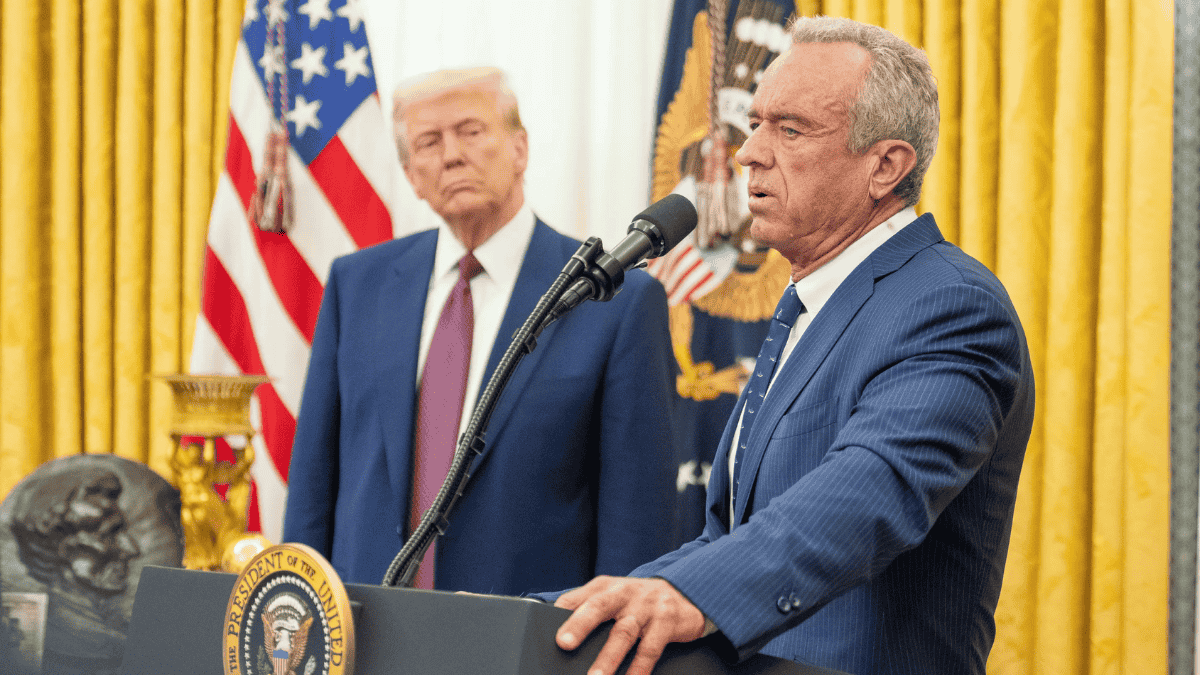
U.S. Health and Human Services secretary Robert F. Kennedy told Congress, “I don’t think people should be taking advice—medical advice—from me.” Yet in the 10 months since he took the HHS wheel, he hasn’t been shy about making claims and taking actions that have potentially far-reaching consequences on Americans. Exhibit A: his focus on autism.
At an April 2025 Cabinet meeting, he announced that the cause of the “autism epidemic” would be revealed by the fall and that he’d launched a massive research effort that would involve hundreds of scientists from around the world. Then, at a September press conference billed by President Trump as “one of the biggest announcements really medically, I think, in the history of our country,” Kennedy followed through.
Citing studies that showed correlation but no causal evidence, and despite clinicians, toxicologists, and major medical organizations having looked at the research and rejected the claim, he asserted a link between acetaminophen use during pregnancy and autism. The link was described as so significant that a safety label change was warranted and a nationwide public service campaign would be launched.
A few weeks later, Kennedy expanded the theory to suggest that infants undergoing circumcision have double the rates of autism because they likely receive acetaminophen as a pain reliever. The evidence he cited was a preprint—unreviewed, unpublished, and unsupported by the broader literature.
By late October, the highest health official in the land had walked much of this back, admitting the association was suggestive, not causative.
While this spectacle of erratic scientific leadership around autism is supposedly tied to Making America Healthy Again, many are now asking not what Kennedy can do for his country, but how his country can undo what he has already done.
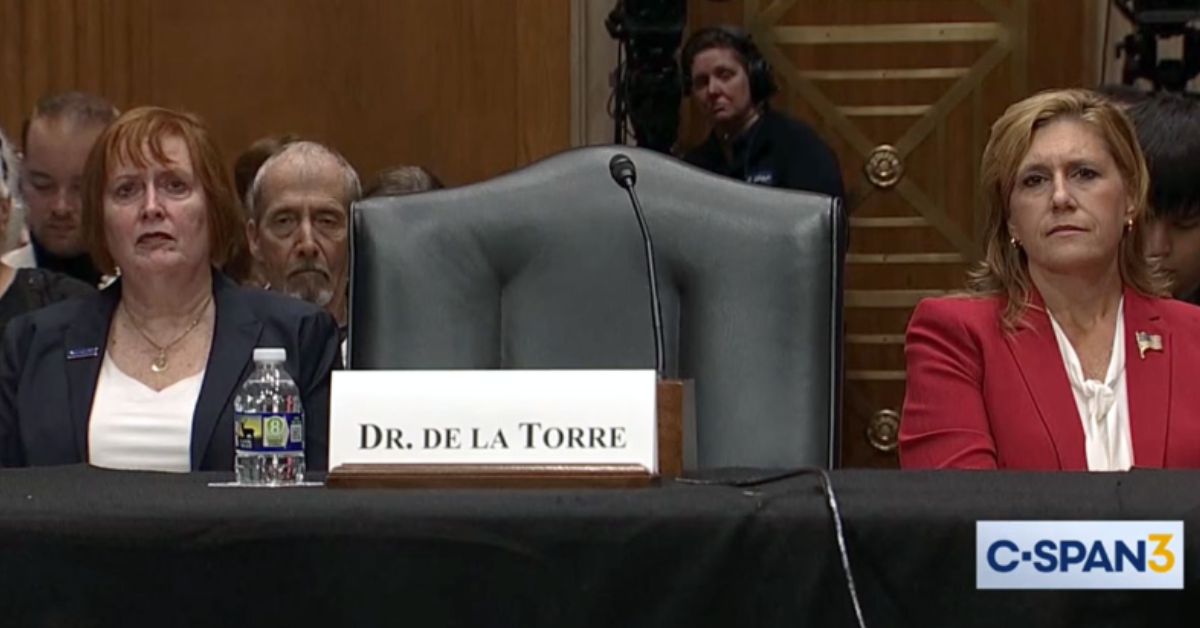

Dr. Ralph de la Torre, as CEO of Steward Health Care, allegedly orchestrated a dramatic healthcare debacle by prioritizing private equity profits over patient care. Fueled by debt and sale-leaseback schemes, Steward’s expansion and subsequent fall into bankruptcy left hospitals gutted, employees laid off, and communities underserved, the Boston Globe reported. De la Torre seems to have made out just fine, however, reportedly walking away with more than $250 million over the last four years as hospitals tanked.
Asked to testify before a Senate committee about the hospital system’s failure, De La Torre refused and was held in contempt of Congress. He resigned from Steward, now the subject of a federal criminal investigation, in September 2024. A website created by a communications firm disputes many of the claims against de la Torre.
SOURCE: Liz Kowalczyk, Chris Serres, Jessica Bartlett, Elizabeth Koh, Mark Arsenault, and Yoohyun Jung, They died in hallways. In line. Alone. Their deaths are the human cost of Steward’s financial neglect., The Boston Globe
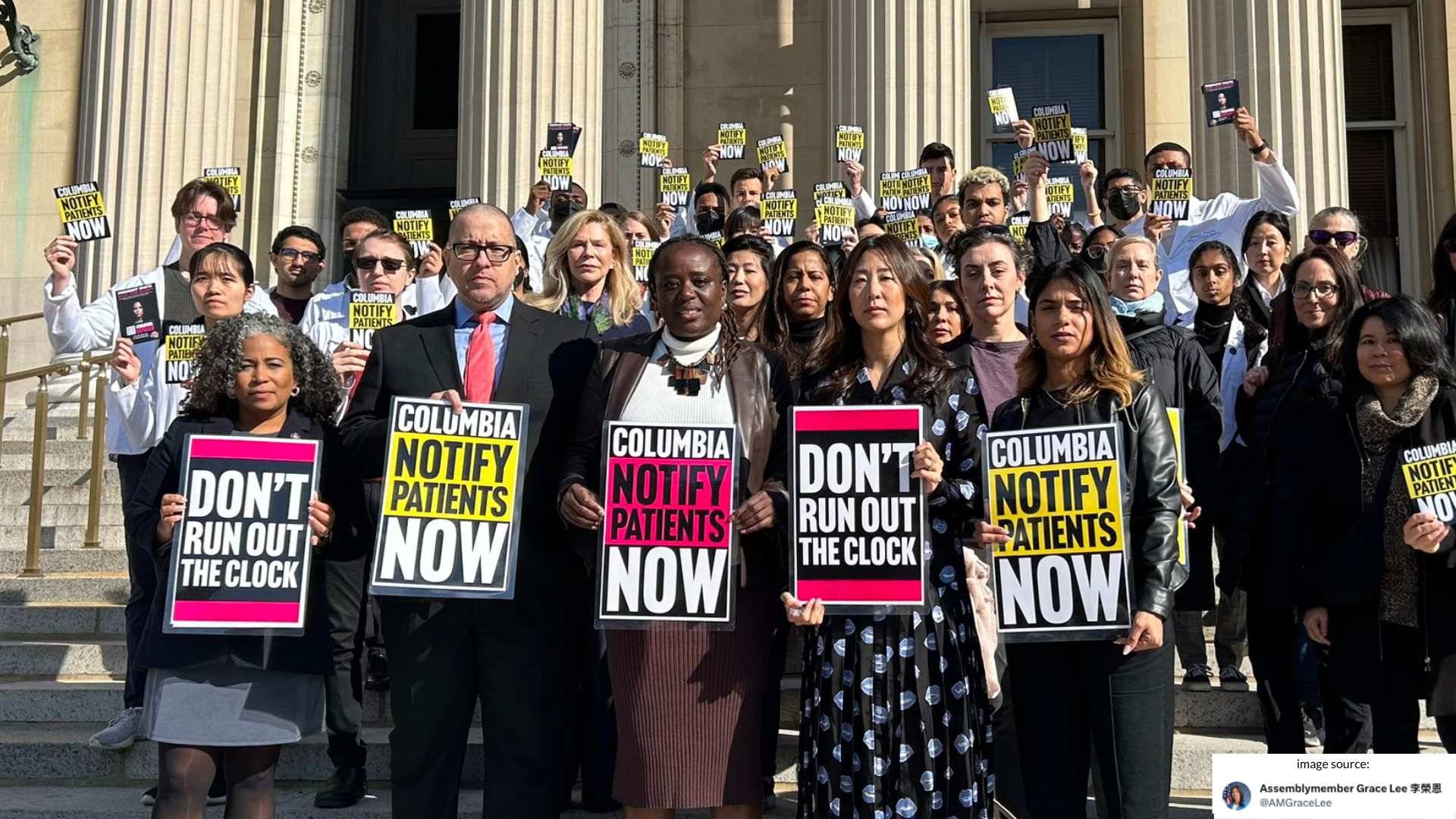
Despite evidence of an ongoing problem, Columbia University OB-GYN Robert Hadden assaulted patients for years with little intervention by the administration, according to a ProPublica/New York Magazine report. Overall, more than 245 patients have come forward to allege abuse, including one woman whom Hadden had delivered as a baby.
According to the report, Columbia failed to hand over subpoenaed evidence, referred patients sharing new complaints to their general counsel rather than the district attorney, and allowed Hadden to return to work within a week of his arrest as long as he agreed to have a chaperone. Hadden was sentenced to 20 years in prison in July 2023, while Columbia has agreed to pay out more than $235 million to settle two separate lawsuits, admitting no responsibility in the matter.
SOURCE: Bianca Fortis and Laura Beil, ProPublica/New York Magazine
See also: An Op-ed about medicine’s Me-Too movement in The New York Times

The majority of large Medicare Advantage insurers have been accused of fraud or overbilling by the US government, a New York Times investigation finds. Overpayments to Medicare Advantage insurers were estimated to cost taxpayers as much as $25 billion in 2020. Because the Medicare Advantage program pays private insurers a set amount per patient based on their risk, there is an incentive for insurers to “mine” patients for diagnoses—for example, adding diagnoses for old or resolved conditions.
While Mark Hamelburg, an executive at AHIP, an industry trade group, said to the Times that some coding differences were due to doctors “look[ing] at the same medical record in different ways,” some of the diagnoses were clearly inaccurate. In one case, insurer Independent Health added a diagnosis for prostate cancer to a woman’s record, because “when a married couple has any disease, both were assigned to that disease,” Bloomberg reported.
Among the top 10 Medicare Advantage providers by market share, the following have been accused of fraud or overbilling by the US government or Inspector General and had ongoing lawsuits as of 2022, according to the Times: UnitedHealth Group, CVS Health, Elevance Health, Kaiser Permanente, Blue Cross Blue Shield of Michigan, Cigna, and Highmark. These insurers have disputed the claims.
SOURCE: Reed Abelson and Margot Sanger-Katz, New York Times; John Tozzi, Bloomberg

Though not one member of its advisory committee supported approval of Biogen’s drug for Alzheimer’s Disease, the US Food and Drug Administration (FDA) gave it the green light anyway, using a regulatory shortcut to accelerate the process. The drug, Aduhelm, has not been shown to significantly reduce memory loss or cognitive decline. The drug did reduce amyloid plaque in the brain, but this has not been shown to improve Alzheimer’s symptoms. Side effects include brain swelling or bleeding, falls, headache, and diarrhea. A STAT News investigation found that the FDA was abnormally proactive in supporting Biogen, even drafting a road map to how they could get Aduhelm approved.
The high price of the drug and large eligible population means Medicare could spend hundreds of billions each year just on Aduhelm. Already, Medicare premiums are projected to rise 15% in 2022 partly due to the cost of the drug. In response to the STAT findings, the FDA Commissioner requested an investigation of the approval by the Office of Inspector General (OIG); the OIG expected to have a report by 2023. An independent group of Alzheimer’s experts and advocates recently called for the FDA to take the drug off the market.
SOURCE: Adam Feuerstein, Matthew Herper, and Damian Garde, STAT News (Update)
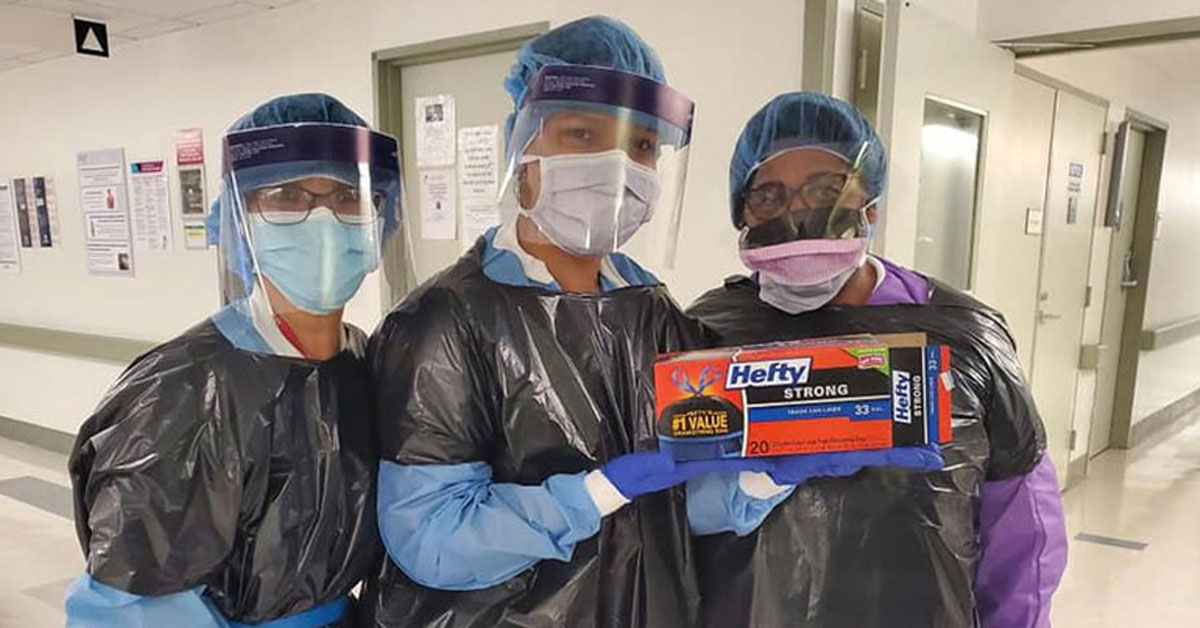
In late March, FEMA’s personal protective equipment (PPE) procurement task force led by Jared Kushner launched “Project Airbridge” to airlift PPE from overseas and bring it to the US quickly. But rather than distribute the PPE to the states, FEMA gave these supplies to six private medical supply companies to sell to the highest bidder, creating a bidding war among the states.
According to FEMA, 50 percent of the supplies were meant to go to designated pandemic “hot spots,” but no officials from the ten hardest-hit counties in the first Covid-19 wave could confirm that they received any PPE from Project Airbridge. In many cases, federal agencies outbid states on PPE orders or seized supplies that states had purchased, making it much harder and more expensive for states to get PPE in desperate times.
SOURCES: Eoin Higgins, Common Dreams; Josh Marshall, Talking Points Memo; Amy Brittain, Isaac Stanley-Becker and Nick Miroff, The Washington Post; Joel Rose, NPR

Nonprofit hospitals are meant to not only provide health care services, but to contribute to community health and wellbeing. But many hospitals have ruined countless families’ financial security and livelihoods, by suing thousands of patients for unpaid medical bills. Some hospitals go as far as to garnish their wages and repossess their assets. Among these litigious hospitals are the UVA Medical Center, Mary Washington Hospital, Carlsbad Medical Center, Methodist Le Bonheur Healthcare, Poplar Bluff Regional Medical Center, and Ballad Health.
SOURCES: Jay Hancock and Elizabeth Lucas, Kaiser Health News; Selena Simmons-Duffin, NPR; Laura Beil, NY Times; Wendi C Thomas, ProPublica; Eli Saslow, the Washington Post; Tara Bannow, Modern Healthcare
In August 2018, Nostrum Laboratories raised the price of antibiotic nitrofurantoin by 400%, from $475 a bottle to $2,393. Nitrofurantoin is a common drug used to treat urinary tract and bladder infections that was originally approved in 1989. In response to criticism, CEO Nirmal Mulye said, “I think it is a moral requirement to make money when you can … to sell the product for the highest price.” Why is hiking the price moral? Because you “have to reward your shareholders,” Mulye said.
SOURCE: Jessie Hellman, The Hill

Drugmaker Allergan got the first spot in the 2017 Shkreli Awards for their gambit to protect a patent by transferring it to a Native American tribe. In September 2017, Allergan announced the sale of the patent for their dry-eye drug Restasis to Saint Regis Mohawk Tribe for $13.75 million (and $15 million in annual royalties). This would allow Allergan to benefit from the tribe’s “sovereign immunity” to patent challenges. Several Democratic Congressmen harshly criticized Allergan for using a “brazen loophole” to shield themselves from competition. Fortunately, in October 2017 federal judge William Bryson ruled the patent invalid, making it clear that drug companies will not be able to get away with “renting” sovereign immunity.
SOURCES: Katie Thomas, The New York Times; Meg Tirrell, CNBC; Joe Mullin, ArsTechnica
2026 Shkreli Nominations are open
We want to hear about the egregious examples from this past year – tell us who you think deserves a 2026 Shkreli Award! Nominations will close October 31, 2026.