
2025 Shkreli Awards
DECEMBER 11, 2025 — Welcome to the 9th annual Shkreli Awards, the Lown Institute’s top ten list of the worst examples of profiteering and dysfunction in healthcare, named for the infamous “pharma bro” Martin Shkreli.
Nominees for the Shkreli Awards are compiled by Lown Institute staff with input from readers of Lown Weekly. An esteemed panel of patient advocates, clinicians, health policy experts, and journalists help determine the winners. (press release | previous winners)
Premature procurement practices put organ donors in peril
Two clinicians look at each other as a patient on a hospital gurney raises their arm. AI generated image.
The nation’s transplant system is supposed to honor the last wishes of patients and save lives. Instead, a New York Times investigation shows that a growing number of patients have been pushed toward organ retrieval while they are still alive or showing clear signs of consciousness. As federal pressure mounts on organ procurement organizations to increase transplant numbers, the line between end-of-life care and organ harvesting is becoming increasingly blurred.
Central to this issue is the rise in organ harvesting after circulatory death. These patients are on life support, usually in a coma, and, unlike brain dead patients, have a remote chance of regaining consciousness. For these organ removals, families agree to take their loved one off of life support. Once circulatory death is declared, and following a waiting period that can be as short as five minutes, harvesting can begin.
Families report loved ones crying, gasping, or blinking during preparations for donation. In New Mexico, a woman being prepped for donation ended up regaining consciousness. In Kentucky, a man pulled his knees to his chest and shook his head while being prepared for retrieval. And in Alabama, Misty Hawkins was cut open for organ removal only for surgeons to discover her heart was still beating, so they sewed her back up again. It’s unclear whether an anaesthetic was used.
Donation after circulatory death used to be widely forbidden. Now it accounts for nearly one third of all organ donations.
Source: Brian M. Rosenthal and Julie Tate, A Push for More Organ Transplants Is Putting Donors at Risk, New York Times
JUDGES’ COMMENTS:
“This gruesome, macabre story adds to the decades-long concerns about insufficient oversight of the nation’s organ donation system.“
Gary Schwitzer
“Specious definitions of “death” invoked in order to procure organs constitute an egregious ethical violation.”
Harriet Washington
Hyperbaric hustle leads to horrific mishap and murder charges
A photo from the Oxford Center website displaying a row of hyperbaric chambers
Hyperbaric oxygen therapy delivers 100% oxygen to a patient inside a pressurized chamber to remedy carbon monoxide poisoning and decompression sickness. The Oxford Center, an alternative medicine facility in Troy, Michigan, however, uses this technology for dozens of unapproved conditions like Alzheimer’s disease, autism, and dyslexia; or in the case of patient Thomas Cooper, age 5, ADHD and sleep apnea.
According to the Michigan attorney general, Oxford ran its chambers far beyond their service life, skipping basic safety checks and inspections, NBC News reported. They also found that no doctor or licensed technician was on site when a tragic malfunction during Thomas’s treatment led to him becoming engulfed in flames, dying in seconds. An investigation revealed that a grounding strap, a basic but critical tool to prevent static electricity, had not been used.
Four people were arrested. Three were charged with second-degree murder, and another was charged with involuntary manslaughter. All of them pleaded not guilty.
According to testimony, the grounding straps were eventually located by police. Staff had them stored in a “junk drawer.”
Source: Elizabeth Chuck, Hyperbaric chamber facility where boy died put profits before client care, Michigan attorney general says, NBC News
JUDGES’ COMMENTS:
“The hidden dangers of unregulated “wellness” industries is a nationwide scandal.“

Amy Holden Jones
UnitedHealth’s nursing home scheme leaves seniors stranded in emergencies
United Healthcare logo. Source: Adobe Stock
We put a lot of trust in nursing homes to keep our loved ones safe, especially when that person becomes sick and needs a higher level of care. According to an investigation by The Guardian, UnitedHealth Group, the nation’s largest healthcare conglomerate, created a financial incentive system across nearly 2,000 nursing homes that rewarded facilities for keeping sick residents out of the hospital, even during clear medical emergencies. Teams of UnitedHealth employees were even stationed in some nursing homes where they were able to influence care decisions.
Whistleblowers described being pressured to delay or block transfers for residents showing obvious signs of crisis. The Guardian reported that one man experiencing a stroke now lives with permanent brain damage after his hospitalization was postponed. Staff also reported being encouraged to talk to residents about changing their code status to do-not-resuscitate, a move that would reduce expensive end-of-life care.
In response to the article, UnitedHealth said the suggestion that its employees have prevented hospital transfers is “verifiably false” and that the article misrepresents a program that “improves health outcomes for seniors through on-site clinical care.” They have filed a defamation lawsuit against The Guardian.
Source: George Joseph, Revealed: UnitedHealth secretly paid nursing homes to reduce hospital transfer, The Guardian
JUDGES’ COMMENTS:
“News of UnitedHealth’s monstrous actions need to be a wake up call for us.”

Andrew Goldstein
“This kind of abuse of public trust is shameful.”
Carole Allen
Hospital’s loyalty to lucrative surgeon leaves women with lifelong trauma
An image of Dr. Javaid Perwaiz, with Chesapeake Regional Healthcare behind him
A Virginia hospital is in trouble for turning a blind eye to years of harm inflicted on women in pursuit of revenue, according to the Washington Post. Chesapeake Regional Healthcare is accused of enabling obstetrician-gynecologist Javaid Perwaiz as he carried out needless, invasive surgeries that left some patients scarred, traumatized, or unable to have children. While Perwaiz falsified charts, pushed women into the operating room with false cancer diagnoses, induced births without cause, and violated consent rules for sterilization, the hospital billed patients for $18.5 million.
Perwaiz has been convicted for his crimes and is serving a 59-year sentence, but now federal prosecutors are after the hospital for its role. Leaders are accused of ignoring warnings about Perwaiz, punishing whistleblowers, and repeatedly renewing his privileges despite sloppy records and fraudulent billing.
It’s not like there weren’t red flags from the very beginning. In the 1980s, before joining Chesapeake, Perwaiz was barred from operating at another hospital for performing unnecessary hysterectomies on about a dozen patients. And in 1995, he was convicted in a tax fraud case for claiming a Ferrari as a business expense, among other charges.
As of September 2025, the federal case is ongoing and a website has been set up to help identify potential victims. Chesapeake Regional Medical Center has pleaded not guilty and filed a motion to dismiss.
Source: Salvador Rizzo, Virginia hospital indicted over unnecessary surgeries on women, Washington Post
JUDGES’ COMMENTS:
“Profiteering hospitals are gross enough when they’re stealing from and scaring people. But enabling malpractice because it is lucrative is absolutely heinous.“
Andrew Goldstein
Hospital denies family life-support decisions amid Georgia personhood politics
Adriana Smith and her older son. Photo from her family’s GoFundMe page.
Adriana Smith, a 30-year-old Atlanta nurse, was nine weeks pregnant when she was rushed to Emory University Hospital Midtown with complications. Doctors found multiple blood clots in her head and were unable to act in time to save her. According to WABE, instead of allowing Adriana’s family to make end-of-life decisions, the hospital moved to keep her body on life support even though she was brain dead. They believed the state’s “personhood” law, which grants a fetus the full rights of a person if it has a detectable heartbeat, required them to keep her body functioning until the fetus became viable. Four months later, the baby was removed by emergency c-section and survived. Smith died four days later when she was taken off life support.
Georgia politicians argued over whether the law required this to happen, with the bill’s author insisting that doctors were “appropriately” maintaining life support for the sake of the fetus, and the state’s attorney general claiming nothing in the statute mandated such an outcome.
As of October, Adriana’s son Chance was still in the NICU due to his underdeveloped lungs, according to a post to the family’s GoFundMe page.
Source: Jess Mador, Does Georgia’s fetal ‘personhood’ law mean a pregnant woman must stay on life support?, WABE
JUDGES’ COMMENTS:
“To force an essentially dead woman to serve as an incubator for a fetus is immoral.“
Carole Allen
“Welcome to the Republic of Gilead.”
Gregg Gonsalves
Lack of oversight allows alleged physician-predator to commit years of abuse
Photo of Brigham and Women’s Hospital logo on a glass door. SOURCE: Google photos
A celebrated rheumatologist in Massachusetts allegedly spent more than a decade exploiting his stature to sexually abuse patients while the institutions around him looked the other way. Nearly 250 former patients say Dr. Derrick Todd used his authority to perform invasive breast and pelvic procedures that had no clinical justification, often isolating patients in empty offices, ignoring their discomfort, and dismissing their protests with medical pretexts. Many of the offenses occurred at Brigham and Women’s, a Harvard-affiliated teaching hospital.
A Boston Globe Spotlight investigation shows that Todd was shielded by a cascade of failures at every level. Complaints were whispered to colleagues, supervisors, and primary care doctors for years, but fizzled in the very bureaucracies meant to protect patients. Even after physicians outside the Brigham reported disturbing allegations, Todd was allowed to keep seeing patients for months and perform exams he had been told to stop doing.
Todd has signed a voluntary agreement with the state’s medical board to cease practicing and is no longer employed by Brigham and Women’s or any medical facility. In addition to hundreds of civil cases that have been consolidated into a master complaint, Todd faces two criminal rape charges to which he has pleaded not guilty.
Source: Liz Kowalczyk and Elizabeth Koh, Nearly 250 patients at top Mass. hospitals say they were abused by a renowned doctor. Why wasn’t he stopped sooner? Boston Globe
JUDGES’ COMMENTS:
“Even worse than the alleged abuses by Dr. Todd is the coverup or willful disregard by his employing institutions.”
Carole Allen
“Stories like this appear every year in the Shkreli submissions, begging questions about why it took so long for hospitals and the state board of medical examiners to act.”
Gary Schwitzer
Billion dollar bandaids are a bonanza for Medicare billers
A skin substitute product made of placental tissue marketed by Smith+Nephew.
Despite limited research showing they outperform traditional bandages, more than 100 new “skin substitute” wound care products, usually made from pieces of dried placenta, have come to market recently. Why? The answer may lie with a loophole in Medicare pricing rules. Unlike private insurers, who don’t pay for skin substitutes at all due to lack of evidence, Medicare reimburses for these products, for their first six months on the market, at whatever price the company chooses.
Some companies have set prices for skin substitutes at thousands of dollars per square inch, offering bulk discounts to doctors, who bill Medicare the full sticker price and pocket the spread. According to a New York Times investigation, the average cost of a one inch square skin substitute in April 2025 was $5,948.
Spending on these bandages exploded to more than $10 billion in 2024, surpassing what Medicare pays for anesthesia or CT scans. Some cases border on the absurd: $14 million in bandages applied to a single Nevada patient, $6 million on another whose wound never healed, and one Texas man who received $1.3 million worth of the bandages despite having no wound at all. Meanwhile, patients harmed by sloppy and indiscriminate application have landed in the hospital with infections, sepsis, amputations, and in at least one case, death.
Government officials appear to finally be catching up. New rules from CMS go into effect in 2026 that change how skin substitutes are priced. The agency claims that Medicare spending on these products will be reduced by nearly 90%.
Source: Sarah Kliff and Katie Thomas, Medicare Bleeds Billions on Pricey Bandages, and Doctors Get a Cut, New York Times
JUDGES’ COMMENTS:
“Fraud like this drains resources and harms patients.“
Don Berwick
“If the rampant fraud were addressed Medicare would cost the taxpayer far less and be solvent forever.“
Amy Holden Jones
FDA approves lab-grown arteries despite evidence of life-threatening leaks
A product photo of the Symvess vessel marketed by Humacyte.
According to the New York Times, biotech company Humacyte promoted its lab-grown blood vessel as a breakthrough for wounded patients when pitching investors, but its research didn’t hold up to scrutiny. At the FDA, scientists saw questionable data, failed safety checks, and vessels that could rupture without warning. Deaths, amputations, and even a missing patient had been included as evidence for success. Yet, at the end of the day, FDA leaders approved the product anyway.
Agency staff vocalized their dissent and one even resigned in protest, calling the risk to patients unacceptable, especially since better-performing options already exist.
The vessels are marketed by Humacyte for $29,500 each and come with a black box warning that states “failure can result in life-threatening hemorrhage.” The company is targeting sales to hospitals and to the U.S. military as a treatment for soldiers injured on the battlefield.
In response to the Times article, Humacyte’s CEO published a statement defending the safety and effectiveness of the product.
Source: Christina Jewett, FDA Approved Artificial Blood Vessel Despite Warnings, New York Times
JUDGES’ COMMENTS:
“This is a horrifying story, doubly so as this dangerous device is target for use on our soldiers.“
Amy Holden Jones
“When you think drug regulation in this country has gone astray, device experts say ‘hold my beer.'”
Gregg Gonsalves
Private equity play on clinical trials may be putting patients at risk
A pharmaceutical company office building with a side entrance labeled “IRB.” AI generated image.
Institutional review boards (IRBs) are meant to be a backstop against potentially unethical clinical trials, reviewing protocols to ensure that patient subjects are not exposed to undue risk or threats to their human rights. However, private equity firms with connections to drug companies are increasingly buying IRBs along with the companies that design and run the trials, according to The New York Times.
For example, when Novo Nordisk needed an ethics review for new Ozempic spin-off trials, it did not have to look far. It hired WCG Clinical, an IRB partly owned by Novo’s own parent company. Since that investment, WCG has been picked at least 46 times to review Novo trials, mostly for new uses of semaglutide, the magic ingredient behind Ozempic, Wegovy, and Rybelsus.
WCG and its main rival, Advarra, now dominate the for-profit ethics board industry and have turned it into a one stop shop for drugmakers. They do not just judge the trials. They also sell services to design the trials, find patients, manage sites, monitor data, and advise sponsors. At WCG, more money now comes from helping drug companies run studies than from safeguarding the people in them.
Ethicists and watchdogs warn that patient safety could be compromised by these apparent conflicts of interest. Federal oversight is thin, board deliberations are hidden, and there is no practical way for the public to confirm whether trials were actually handled properly.
Both Advarra and WCG declined interview requests from the Times, but Advarra did issue a statement saying it “maintains strong safeguards and internal policies to ensure the independence of its Institutional Review Board.”
Source: Walt Bogdanich, Carson Kessler and Jeremy Singer-Vine, How Private Equity Oversees the Ethics of Drug Research, New York Times
JUDGES’ COMMENTS:
“Once private equity gets to oversee what should be safety guardrails of clinical studies, all bets are off.“
Carole Allen
“This is a national health threat hiding in plain sight.”
Lilia Cervantes
“This is a shocking example of how conflicts of interest abound in our complex and opaque health care system.”

Patricia Kelmar
Kennedy’s clumsy crusade against acetaminophen
Robert F. Kennedy speaks at the podium on the occasion of his swearing in as U.S. Secretary of Health and Human Services SOURCE: White House photo gallery
U.S. Health and Human Services secretary Robert F. Kennedy told Congress, “I don’t think people should be taking advice—medical advice—from me.” Yet in the 10 months since he took the HHS wheel, he hasn’t been shy about making claims and taking actions that have potentially far-reaching consequences on Americans. Exhibit A: his focus on autism.
At an April Cabinet meeting, he announced that the cause of the “autism epidemic” would be revealed by the fall and that he’d launched a massive research effort that would involve hundreds of scientists from around the world. Then, at a September press conference billed by President Trump as “one of the biggest announcements really medically, I think, in the history of our country,” Kennedy followed through.
Citing studies that showed correlation but no causal evidence, and despite clinicians, toxicologists, and major medical organizations having looked at the research and rejected the claim, he asserted a link between acetaminophen use during pregnancy and autism. The link was described as so significant that a safety label change was warranted and a nationwide public service campaign would be launched.
A few weeks later, Kennedy expanded the theory to suggest that infants undergoing circumcision have double the rates of autism because they likely receive acetaminophen as a pain reliever. The evidence he cited was a preprint—unreviewed, unpublished, and unsupported by the broader literature.
By late October, the highest health official in the land had walked much of this back, admitting the association was suggestive, not causative.
While this spectacle of erratic scientific leadership around autism is supposedly tied to Making America Healthy Again, many are now asking not what Kennedy can do for his country, but how his country can undo what he has already done.
JUDGES’ COMMENTS:
“Kennedy casts autism as a serious disability, when in fact autism is a spectrum with varied manifestations.“
Carole Allen
“The gobbledygook of the Trump administration’s debasement of the term “Gold Standard Science” is exemplified by the words and actions of RFK Jr.”
Gary Schwitzer
“The erosion of commitment to science is a dire threat to public health.”
Don Berwick
Judges for 2025 Shkreli Awards
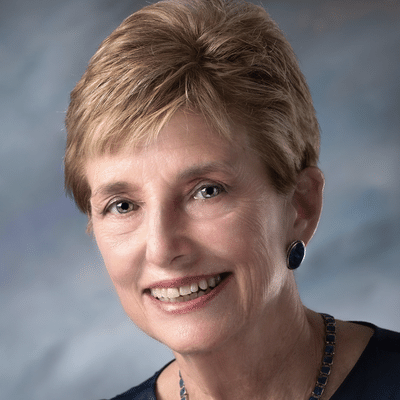
Carole Allen, MD, MBA
Author of Reflections of a pediatrician
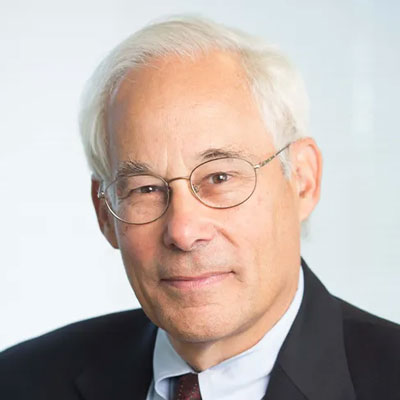
Don Berwick, MD, MPP
Institute for Healthcare Improvement
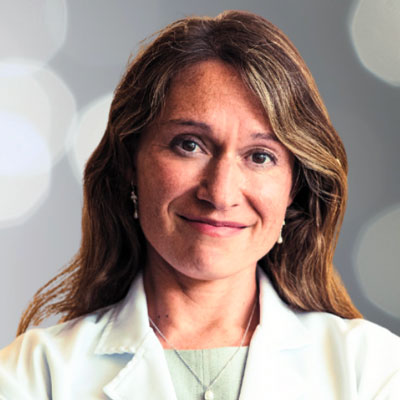
Lilia Cervantes, MD
University of Colorado Anschutz Health Sciences; 2024 Lown BLASR Award winner
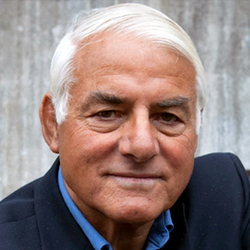
Allen Frances, MD
Duke University
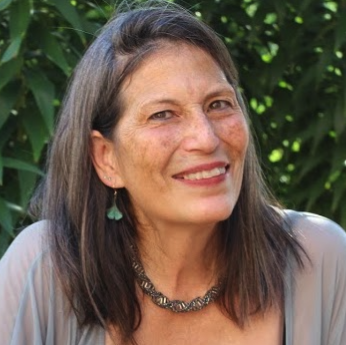
Adriane Fugh-Berman, MD
PharmedOut, Georgetown University Medical Center
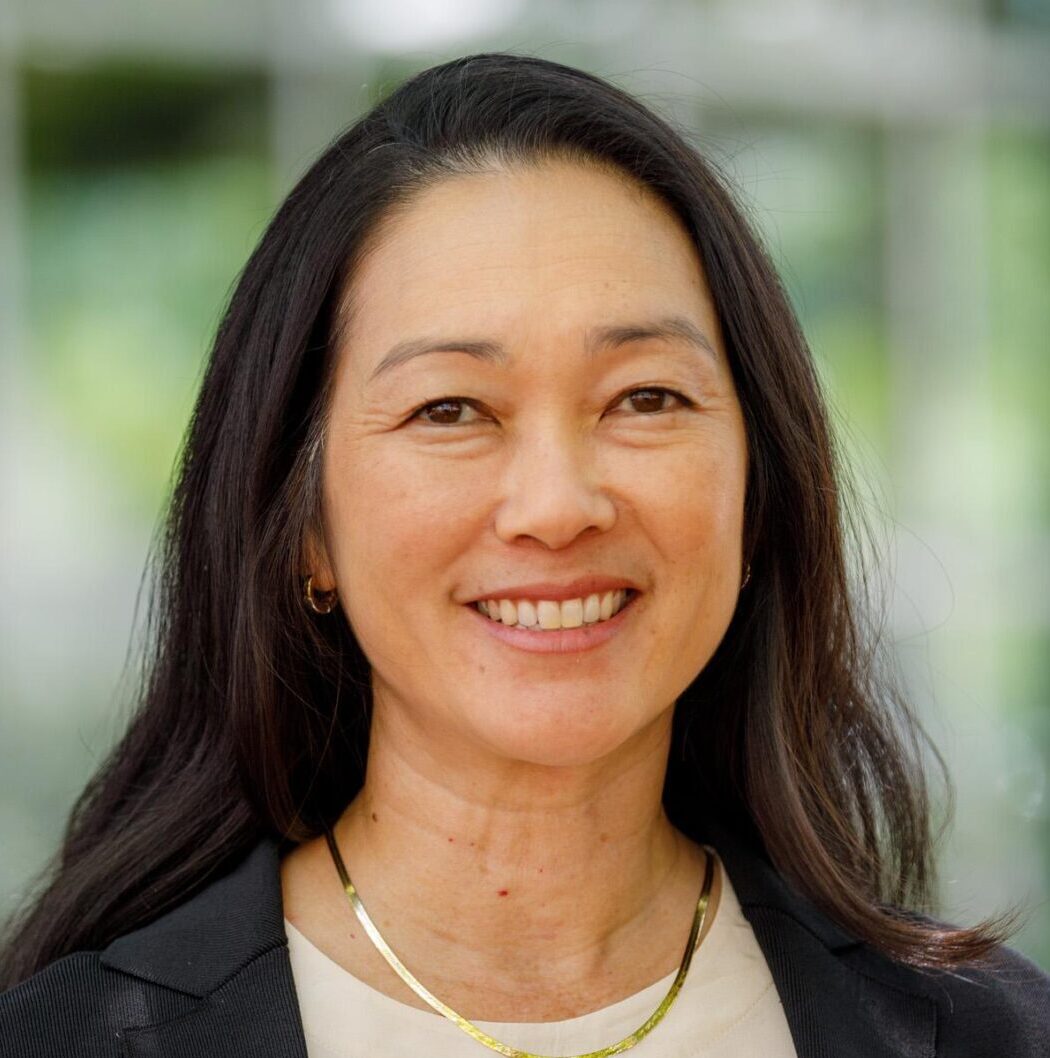
Erin Fuse Brown, JD, MPH
Brown University School of Public Health, Center for Advancing Health Policy through Research
Patricia Gabow, MD, MACP
Chair of the Lown Institute board of directors; University of Colorado School of Medicine; Author of The Catholic Church and Its Hospitals

Andrew Goldstein, MD
Assistant Professor, NYU School of Medicine; @andrewmaketweet
Gregg Gonsalves, PhD
Yale School of Public Health
Paul Hattis, MD, JD
Senior Fellow at the Lown Institute
Amy Holden Jones
Creator of the show
“The Resident” on Hulu, Netflix, and Disney+
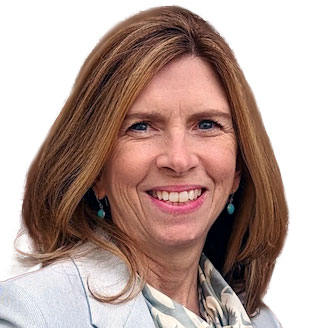
Patricia Kelmar, JD
US PIRG
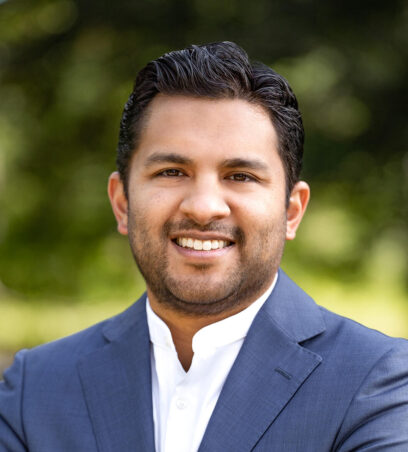
Victor Roy, MD, PhD
University of Pennsylvania, @victorroy
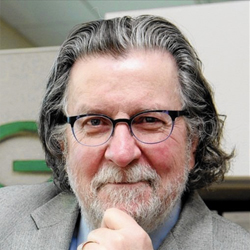
Gary Schwitzer
Adjunct associate professor at U of Minnesota School of Public Health; Health care journalist and author on Substack, @garyschwitzer
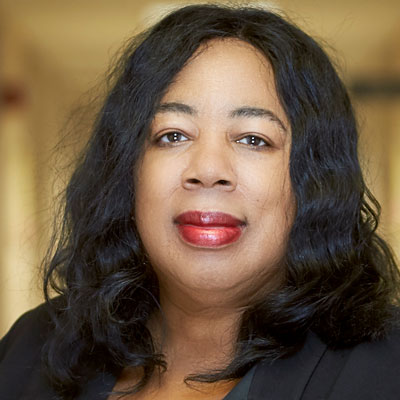
Harriet Washington
Columbia University
Vikas Saini, MD
President of the Lown Institute