
Hot takes from health leaders: Where is healthcare getting it right?
Healthcare affordability won’t be solved by people who all think alike. It won’t be solved by staying in our ideological corners, repeating the same arguments, or waiting for someone else to act.
It will be solved by leaders willing to speak honestly and directly, even when it’s uncomfortable.
That’s the spirit behind Hot Takes from Health Leaders: a biweekly series featuring candid responses from the policymakers, clinicians, hospital executives, researchers, and advocates who will convene at LOWN26: Confronting Healthcare Affordability on May 21st in Cambridge, MA.
Because before we can find common ground, we need to know where everyone actually stands.
New installments published every two weeks leading up to LOWN26. Join the conversation on May 21st—register now.
Register before prices increase!
The healthcare affordability crisis isn’t a partisan issue. It’s a human one. This one-day conference brings together leaders who recognize that solutions won’t come from staying in our corners.
This week’s question for our guests: There’s a lot of criticism about healthcare failing. What’s one place where you feel it’s working?
Innovative partnerships and tools to control costs
At a system level, innovation and technology continue to drive significant improvements in outcomes. Advances in treatment, data, and digital tools are transforming what is possible in patient care.
From a safety-net perspective, we are seeing progress in how we support patients beyond the clinical encounter. New approaches to education, such as personalized videos and better connection to social needs support, are helping patients better understand their care and prepare for recovery, leading to more successful post-operative experiences and an ability to focus on their health, not just where they are going to get their next meal.
We are also beginning to address one of the most critical issues facing health care today: clinician burnout. First, it is important to measure over time the changes in burnout. Second, using technology to improve routine administrative tasks, like the implementation of ambient AI and other supportive technologies shows real promise in allowing providers to focus more fully on patient care.
Donna Lynne, DrPH, Chief Executive officer, Denver Health
Direct-to-employer (DTE) contracts with providers and pharmaceutical manufacturers is working, as this cuts out the middlemen which siphon billions of dollars out of the healthcare system. Such DTE contracts yield lower prices, increased access, and more transparent quality measurement. Indiana passed a law in 2025 requiring the largest non-profit hospital systems to offer DTE with hospital facility rates at < 260% Medicare by 9-1-25. This law expands to all non-profit hospitals by 9-1-26.
Gloria Sachdev, PharmD, Secretary of Health and Family Service, State of Indiana
Physicians and healthcare workers going above and beyond
People working in health care still buy the mission. If we are going to be effective at making our system better, we need engaged, energized advocates who feel a sense of purpose in that work. We experienced a winter weather storm recently and hundreds of staff had to sleep in the hospital for several days. The overwhelming sentiment I heard from the housekeepers to the nurses was not complaining but thankfulness for the accommodations so they could stay overnight. Despite personal sacrifices, they took for granted their need to be in the hospital. As one nurse told me, “Of course, we need to be here to care for our patients.”
Fred Cerise, MD, MPH, President and Chief Executive Officer, Parkland Health

Nurses are succeeding in highlighting concerning issues about hospital care because they are consistently voted the most trusted professionals year after year by Americans. They are informing the public of their working conditions and how these conditions don’t just impact them but also the quality and safety of patient care. The historic New York-Presbyterian strike to ensure safe nurse staffing levels and address workplace violence is a perfect example of that advocacy.
K. Jane Muir, PhD, MSHP, RN, Assistant Professor of Nursing, University of Pennsylvania School of Nursing
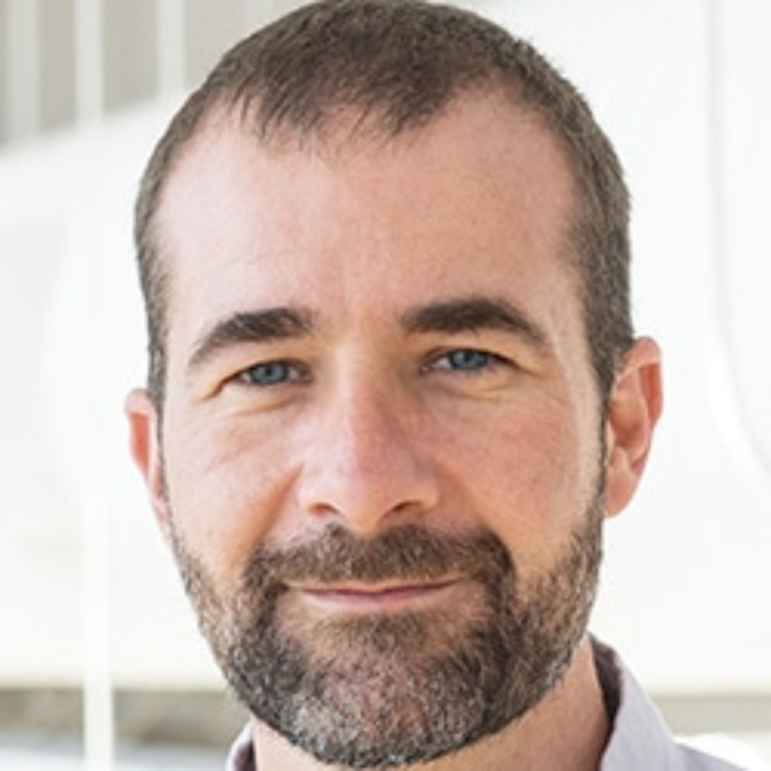
Smart, dedicated, compassionate people continue to choose careers as health professionals. These amazing people give me hope for the future of healthcare.
Brian Campbell, PhD, Executive Director, Physicians for Social Responsibility

Our caregivers, everyone that seeks to serve in the healthcare space, inspire me every day. While there are challenges, the people dedicated to our work represent the best of who we are and what we can be.
Jason Carter, MBA, President and Chief Operating Officer, Duke Regional Hospital
Federal agencies getting it right
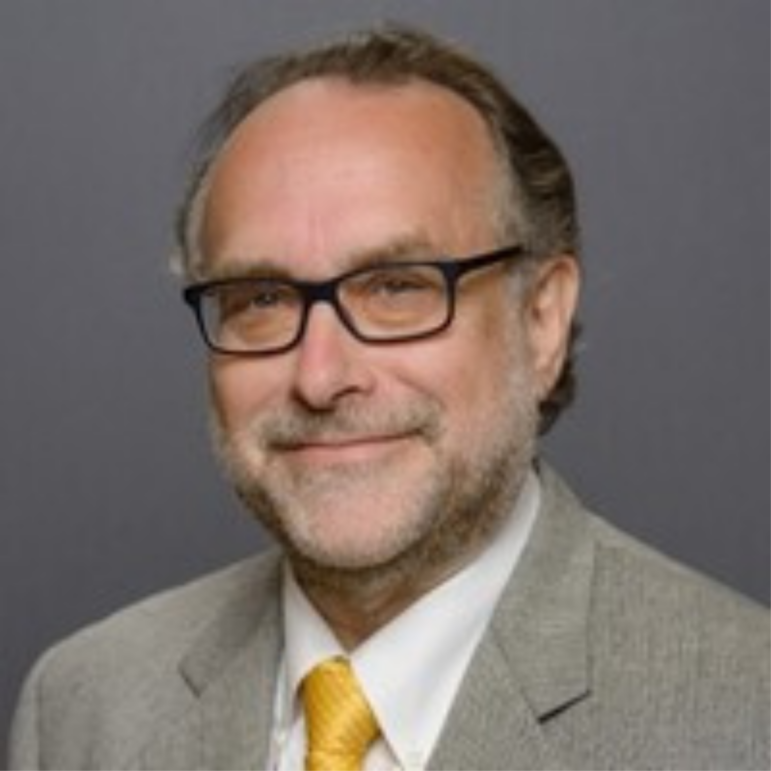
Up until the past few months, some of our public health agencies have been best in class. Centers for Disease Control and US Preventive Services Task Force guidelines are great examples. Last I checked, a few years ago, clinical outcomes at the Department of Veterans Affairs were terrific.
Ed Weisbart, MD, National Board Secretary, Physicians for a National Health Program
The need for universal care and coverage is becoming unavoidable

Honestly, (healthcare) only looks to work for those with fantastic insurance coverage AND with a loved one who works in medicine who can help them navigate the system.
Andrew Goldstein, MD, MPH, Assistant Professor, Department of Medicine at NYU Grossman School of Medicine
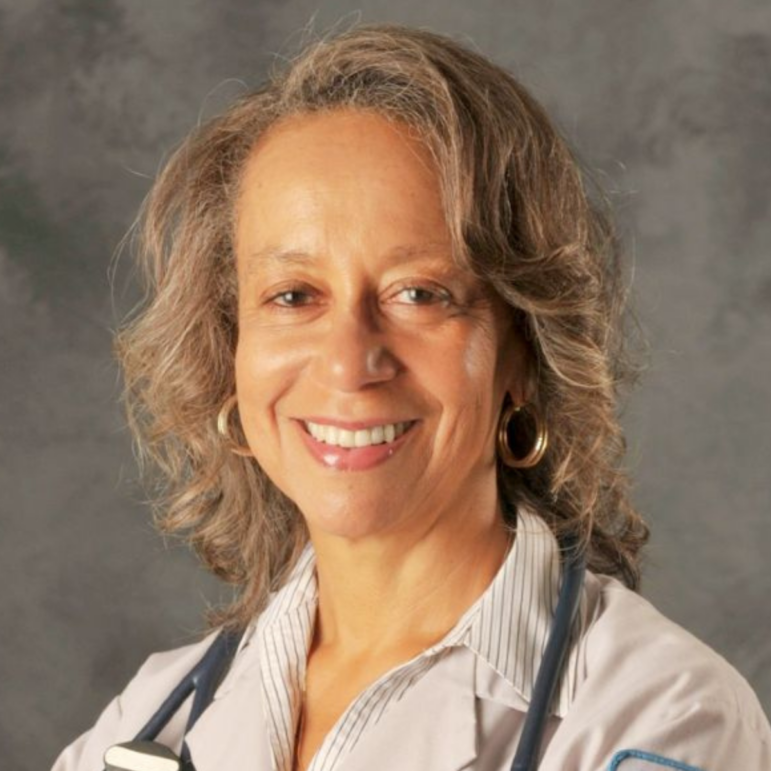
What we have now is a patchwork of healthcare coverage. Patients have a restricted access to providers and hospitals, varying costs, changing coverage and provider and hospital provider networks without consistency. Everyone, regardless of whether they have significant, minimal or no active healthcare issues, need a national system funded by the federal government. It cannot be a state funded program similar to Medicaid with every state having different benefits. Many other countries have a single payer system with much better national outcomes, access and less worry and no frustration about cost. At PNHP, we have a chant we use at rallies “Everybody In, Nobody Out.”
Susan Rogers, MD, Immediate Past President, Physicians for a National Health Program