
Hot takes from health leaders: “What keeps you up at night?”
Healthcare affordability won’t be solved by people who all think alike. It won’t be solved by staying in our ideological corners, repeating the same arguments, or waiting for someone else to act.
It will be solved by leaders willing to speak honestly and directly, even when it’s uncomfortable.
That’s the spirit behind Hot Takes from Health Leaders: a biweekly series featuring candid responses from the policymakers, clinicians, hospital executives, researchers, and advocates who will convene at LOWN26: Confronting Healthcare Affordability on May 21st in Cambridge, MA.
Because before we can find common ground, we need to know where everyone actually stands.
New installments published every two weeks leading up to LOWN26. Join the conversation on May 21st—register now.
Register before prices increase!
The healthcare affordability crisis isn’t a partisan issue. It’s a human one. This one-day conference brings together leaders who recognize that solutions won’t come from staying in our corners.
This week’s question for our guests: “What keeps you up at night when you think about where healthcare affordability is headed?”
The increasing burden of medical debt
The tremendous burden of medical debt is rampant across the country. It is often the first domino to fall in ruining one’s credit score. This has direct consequences including prohibiting getting a bank loan for a home or car, thus causing generational harm. Medical debt can result in liens being placed on one’s primary residence and wages garnished. The domino spiral may continue with not having enough money to pay for routine household expenses, increasing stress levels which contribute to depression, anxiety, substance disorder, neglect of children, and homelessness. We must prevent the first domino from falling in vulnerable populations.
Gloria Sachdev, PharmD, Secretary of Health and Family Service, State of Indiana
The widening gap between the “Haves” and “Have Nots”
I am concerned that there is no end in sight to rising health care costs and this will continue to widen the gap between the haves and the have nots. We are well past this being a problem for just low-income people. Access is compromised, and those who can afford concierge services are maintaining access while a growing number are losing access to regular care. There is a growing number of people saddled with medical debt by virtue of having cancer or a heart attack or even a single emergency department visit. This is not a personal responsibility issue – it is a failure on behalf of our government to establish a system that reliably cares for everyone in society.
Fred Cerise, MD, MPH, President and Chief Executive Officer, Parkland Health
I worry about the growing divide between rich and poor, with too many Americans left without access to basic care.
Brian Campbell, PhD, Executive Director, Physicians for Social Responsibility
The dangers posed by privatization
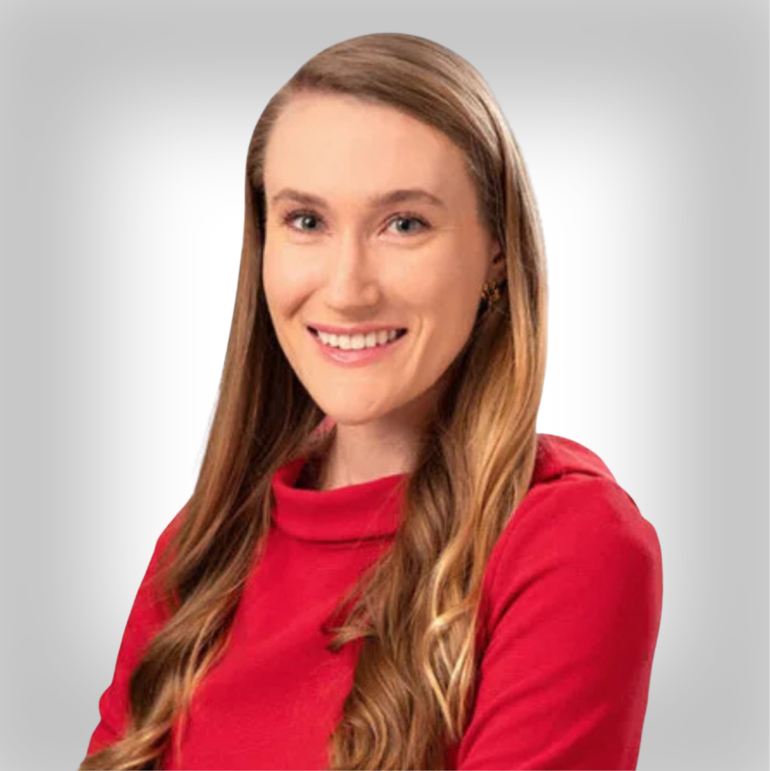
Private equity and for-profit hospital ownership is concerning because evidence suggests that these hospitals may be under-investing in core services like nursing care. We know that nurses are the largest group of health care professionals in hospitals, so chronic understaffing of these clinicians may contribute to worse patient outcomes and increased costs.
K. Jane Muir, PhD, MSHP, RN, Assistant Professor of Nursing, University of Pennsylvania School of Nursing

Despite the rhetoric adopted by the current administration around affordability, the actions and policies adopted by health officials have been largely concessions to private stakeholders to ensure their continued participation and maintain the status quo.
Reshma Ramachandran, MD, MPP, MHS is an Assistant Professor, Yale School of Medicine
The shredding of safety nets
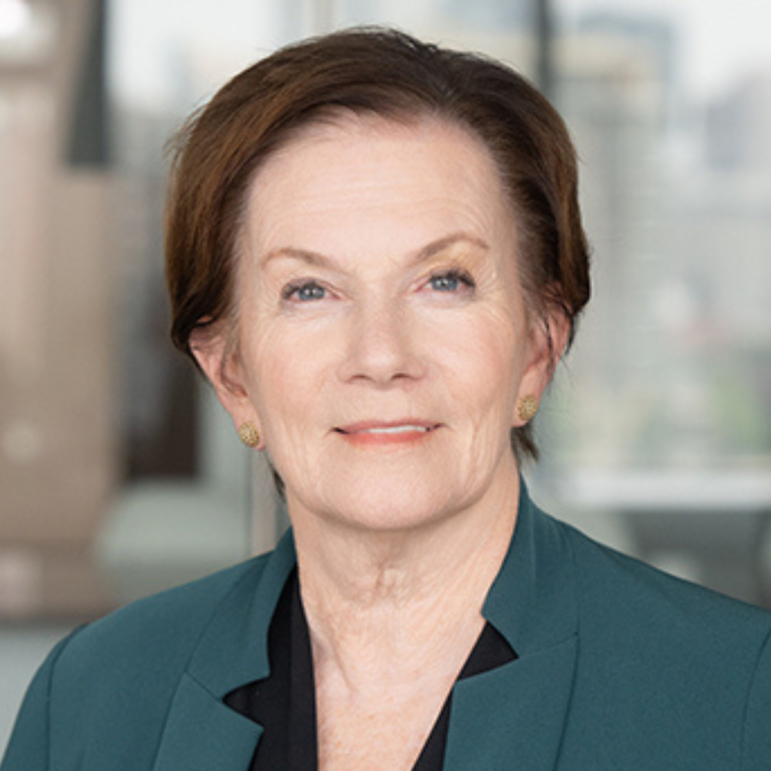
I have a lot of thoughts when I lay awake at night. The funding and restrictions that are coming through the public payer system are going to hurt patients and the health care systems, particularly the rural hospitals and the safety nets.
Many large non-profit and for-profit hospitals will also be affected by the Medicaid cuts, although they have the size and volume to renegotiate contracts with private payers. Payers don’t pay attention to rurals and safety nets because of our lower volumes.
I also don’t think we are having the conversation around access to care. It’s not getting talked about in our circles. Patients feel it though. People want to get health care, but they have to wait. We have to think through – Do we have the right provider in the right places and how do we make sure that the balance is happening?
Donna Lynne, DrPH, Chief Executive officer, Denver Health
The potential for preventable harm
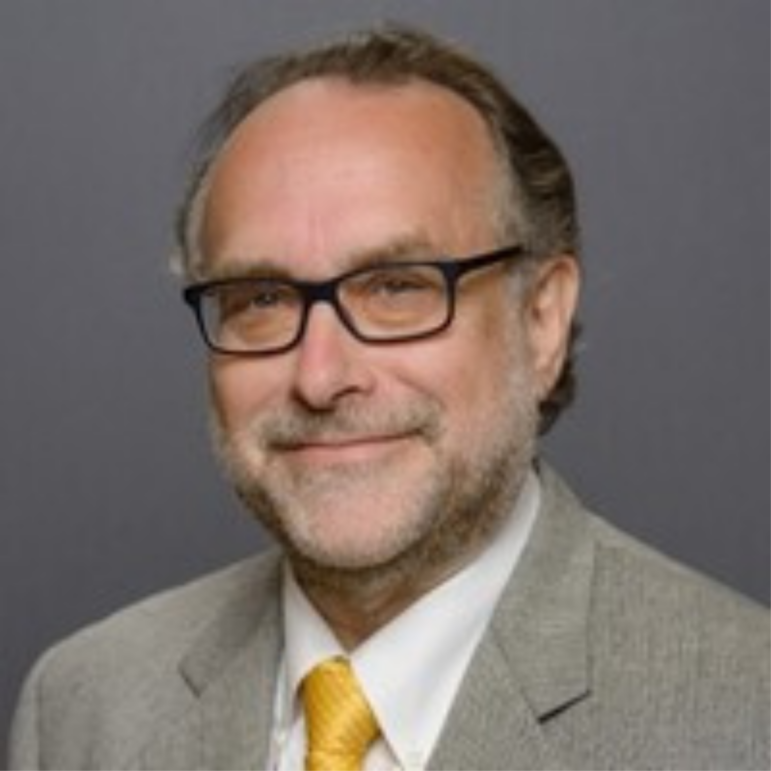
Knowing that the affordability issue will continue to exacerbate preventable morbidity and mortality. I’ve seen too many patients struggle with trying to balance healthcare with other essential needs.
Ed Weisbart, MD, National Board Secretary, Physicians for a National Health Program
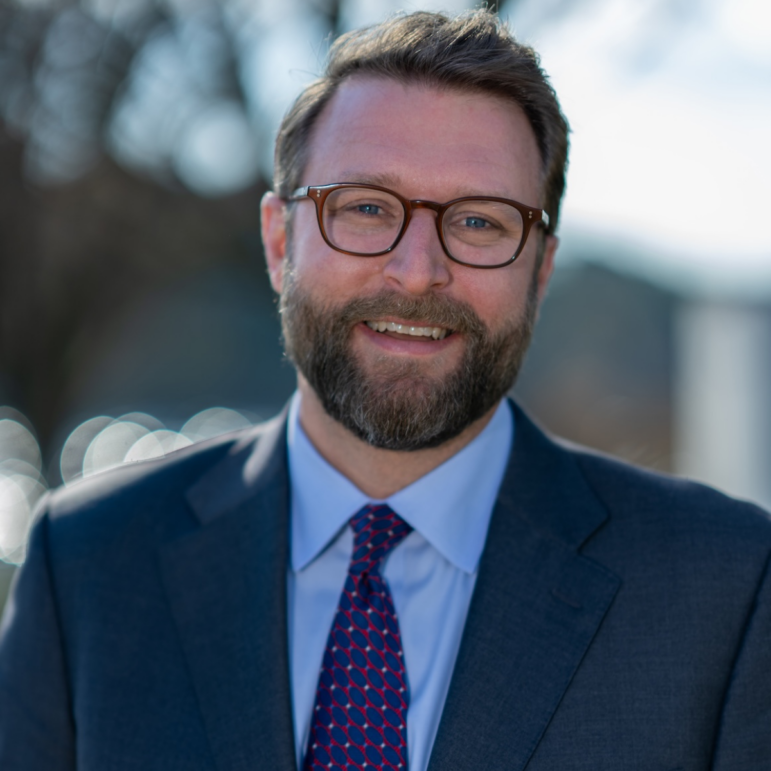
Keeping primary and preventative care accessible, funded and affordable for all.
Jason Carter, MBA, President and Chief Operating Officer, Duke Regional Hospital
The perils of increased complexity

When it was just pharma, hospitals, and insurers who were the big bad guys in healthcare, the political fights were more navigable. With PBMs, AI, private equity, subcontractor staffing companies, and so many other layers of complexity, it’s much harder to fight back against the constant bureaucracy, obfuscation, responsibility avoidance, etc.
Andrew Goldstein, MD, MPH, Assistant Professor, Department of Medicine at NYU Grossman School of Medicine