
Hot takes from health leaders: What’s the most important thing a young clinician can do right now?
Healthcare affordability won’t be solved by people who all think alike. It won’t be solved by staying in our ideological corners, repeating the same arguments, or waiting for someone else to act.
It will be solved by leaders willing to speak honestly and directly, even when it’s uncomfortable.
That’s the spirit behind Hot takes from health leaders: a biweekly series featuring candid responses from the policymakers, clinicians, hospital executives, researchers, and advocates who will convene at LOWN26: Confronting Healthcare Affordability on May 21st in Cambridge, MA.
Because before we can find common ground, we need to know where everyone actually stands.
New installments published every two weeks leading up to LOWN26. Join the conversation on May 21st—register now.
Register before prices increase!
The healthcare affordability crisis isn’t a partisan issue. It’s a human one. This one-day conference brings together leaders who recognize that solutions won’t come from staying in our corners.
Past questions have included:
- What keeps you up at night?
- Who needs to fix the affordability crisis?
- Where is healthcare getting it right?
This week’s question: What’s the most important thing a young clinician can be doing right now to build the health system they want to work in?
Engage in the policy, business, and tech of healthcare
Young clinicians engaging beyond the bedside is a key component of the change we need. From my policy perspective, that means becoming active in policy and understanding how decisions made at the legislative and regulatory level directly impact patient care, access, and the way medicine is practiced. The pace of policy change has accelerated dramatically, and clinicians bring an essential real-world perspective that needs to be part of those conversations.
Equally important is developing a deep understanding of the business of healthcare, particularly how payment models work, how payers and providers interact, and how incentives shape outcomes. Clinicians who understand both the clinical and financial dimensions of the system are better positioned to influence meaningful policy change rather than simply react to it.
(Y)oung clinicians should (also) embrace the rapid evolution of technology while remaining grounded in the human side of care. Advances in digital tools, data, and AI will continue to transform documentation, workflows, and care delivery. The challenge — and opportunity — will be learning how to use technology to reduce friction and improve outcomes while protecting the quality time and trust that define the patient-clinician relationship. The future health system needs to be built not just by administrators or policymakers, but by clinicians who step forward as innovators, advocates, and system designers.
Donna Lynne, DrPH, Chief Executive officer, Denver Health
Getting involved in governance, whether at the local unit level, hospital level, regional, or state level. The public trusts clinicians more than any professional in the U.S., and they should advocate for policies that support better care for patients and working conditions for healthcare workers. People need to hear first-hand from clinicians what needs to change in order to make healthcare safer and more affordable.
K. Jane Muir, PhD, MSHP, RN, Assistant Professor of Nursing, University of Pennsylvania School of Nursing
Be the change you want to see in the world. Typically, top executives at health systems have a business background versus a clinical background, thus view healthcare via a financial lens. While it is mission critical to be financially sustainable, it is equally important to offer high quality, accessible, affordable healthcare. This is the value clinicians bring to the table. To be in the room where it happens, request to shadow a C-suite executive, listen for knowledge gaps, enthusiastically volunteer to help close a gap, do an excellent job, and maybe overtime you’ll have a seat at the table.
Gloria Sachdev, PharmD, Secretary of Health and Family Service, State of Indiana
Get to you know your patients and get organized
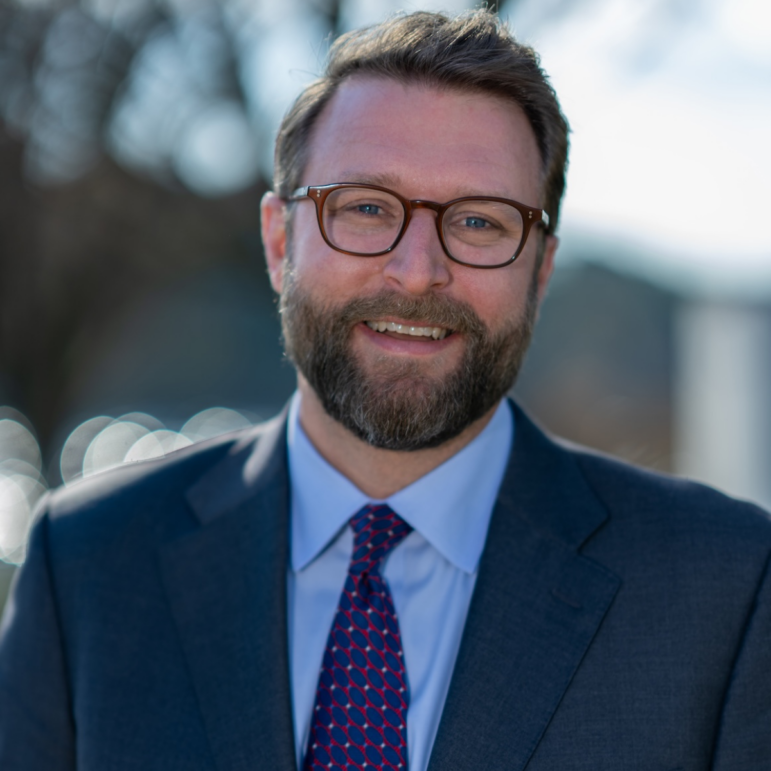
[Young clinicians] should build relationships, seek to understand their community, and how to best meet people where they are. Seek to understand the system of care, and how their patients enter, exit and pass through a care continuum.
Jason Carter, MBA, President and Chief Operating Officer, Duke Regional Hospital
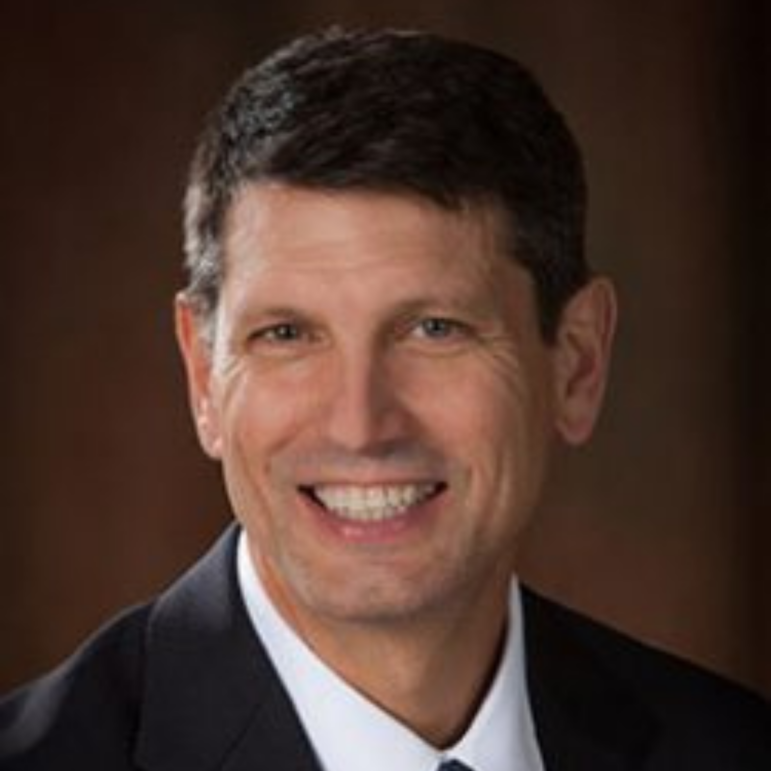
Get to know the barriers and challenges your patients are facing in accessing the care they need. Through formal or informal venues, get involved in your health system’s operations and advocate for common sense changes that will make care more accessible and/or more affordable for your patients. Consider getting involved in a community-based organization that will bring you closer to the struggle that patients and their families face, health care related or otherwise. As Bryan Stevenson says, you cannot understand these complicated issues from a distance; you have to get proximate.
Fred Cerise, MD, MPH, President and Chief Executive Officer, Parkland Health

Bail on the myths of technocracy and careerism, join a membership-based group that has a people-powered organizing model.
Andrew Goldstein, MD, MPH, Assistant Professor, Department of Medicine at NYU Grossman School of Medicine
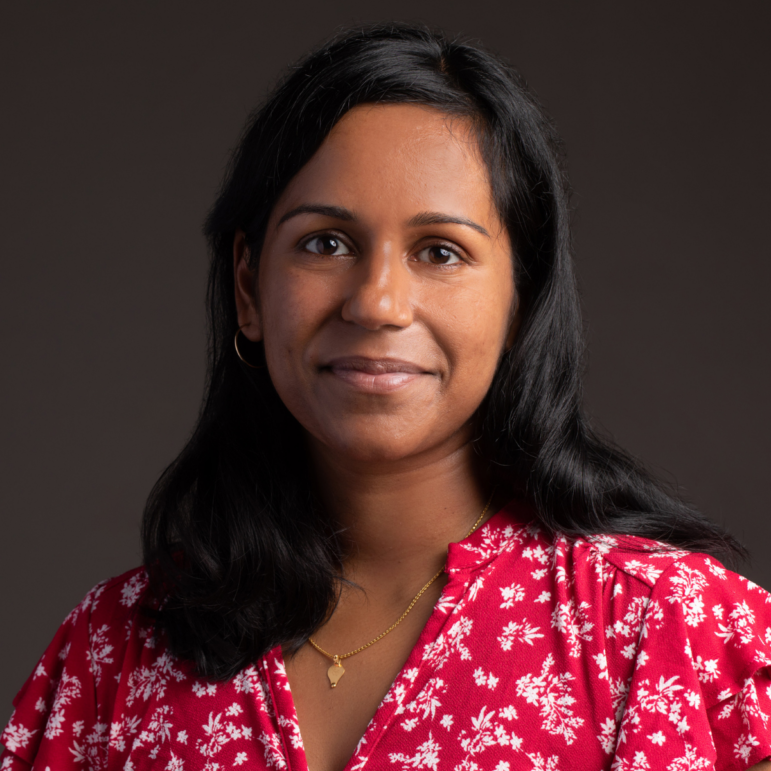
Being part of collective efforts to reimagine a health system that is centered around patients and away from corporate stakeholders who are becoming further entrenched and are extracting from our health system.
Reshma Ramachandran, MD, MPP, MHS is an Assistant Professor, Yale School of Medicine
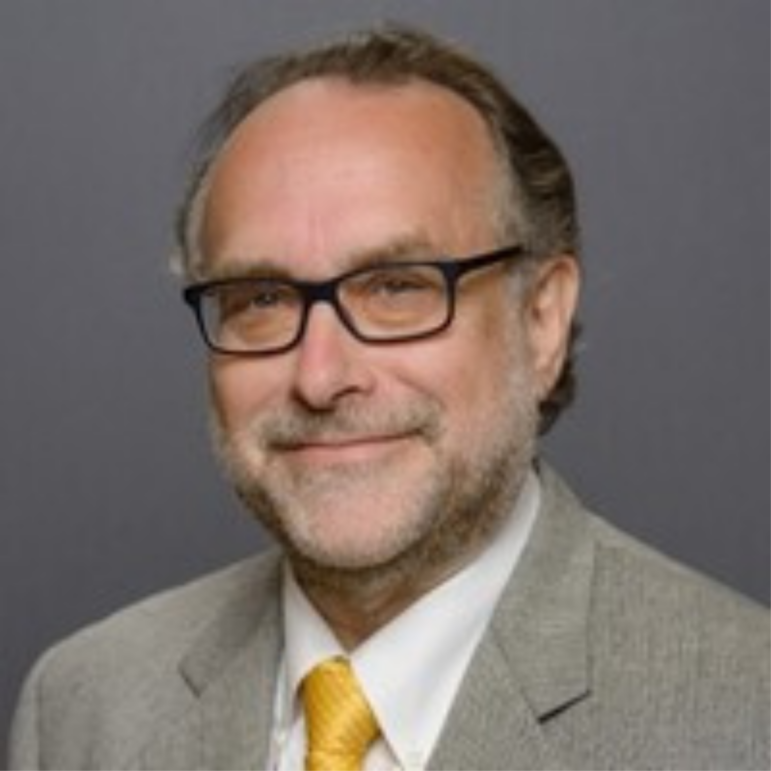
Educate themselves, engage in an advocacy organization that aligns with their values and goals, and structure their working environment so that raising their voice is protected from repercussions.
Ed Weisbart, MD, National Board Secretary, Physicians for a National Health Program
Advocate for systemic change
At this moment, healthcare access and affordability are major concerns for the public and major issues of political debate. We need young clinicians speaking up as trusted voices, advocating change..
Brian Campbell, PhD, Executive Director, Physicians for Social Responsibility
I think advocating for a single payer healthcare system/Medicare for All, where all who live in this country have access to care will help solve our health care problems. Unfortunately we have a financial system for healthcare which was never intended to provide care for
everyone. It is cruel that so many people now live in this country where there is no such thing as a curable disease because they cannot afford to buy it. As physicians we need to help create a system that would help make our patients healthy without financial devastation and doctors would not spend their time finding financial solutions but would be able to care for their patients as they are trained to do.
Susan Rogers, MD, Physicians for a National Health Program