
What these outstanding doctors did in 2025: A follow-up on our BLASR winners
Dr. Bernard Lown, founder of the Lown Institute, was one of the most accomplished physicians and activists of the 20th century. He dedicated his career to the “art of healing,” repeatedly risking his career to protest injustice and the industrialization of healthcare.
In 2021, the Lown Institute created the Bernard Lown Award for Social Responsibility (BLASR) to lift up brave clinicians who are dedicating their time, skills, and energy to tackle the most important health issues of our time, just like Dr. Lown did. With healthcare costs reaching a crisis level and trust in medicine eroding rapidly, it’s more critical than ever that young clinicians speak truth to power and fearlessly advocate for the public good.
We’ve awarded four extraordinary doctors with the honor of the BLASR, supporting their continued efforts to make medicine more socially responsible. They have published research, shared their opinions on key healthcare topics, and pushed for legislative and regulatory change. They have gone beyond their clinical work to tackle social issues that greatly impact health, such as environmental hazards, economic security, drug regulation, and immigrant health. Without fail, our winners are setting the standard for what can be accomplished when brilliant clinicians apply their expertise to leading the way towards a more just and equitable system for us all.
Dr. Reshma Ramachandran – 2025 BLASR Winner
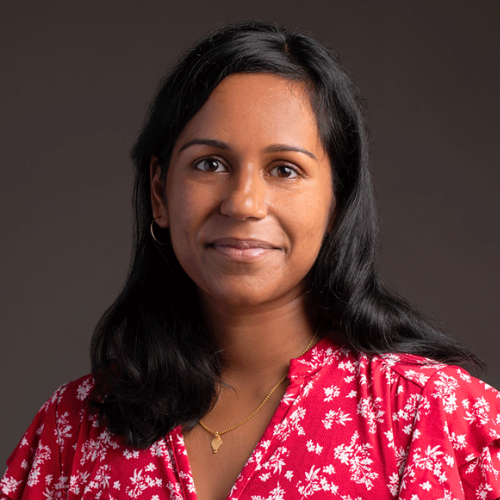
Dr. Ramachandran won the BLASR for her work promoting equitable access to medicines, mobilizing physicians nationwide to challenge pharmaceutical industry influence, and advancing legislative reforms that prioritize the public’s health over corporate profit.
In October, Dr. Ramachandran and her co-author, Dr Fernandez Lynch, argued in the Los Angeles Times that the trend of lowering the evidentiary standards for approving rare disease drugs, while well-intentioned, is ultimately more harmful than helpful to patients who deserve medicines backed by high quality, robust clinical evidence. They wrote, “Rare disease patients, like all patients, should have drugs that work. The burden must be on companies to prove that their drugs do.”
And in December, Dr Ramachandran and colleagues published a perspective piece in the New England Journal of Medicine critiquing the FDA initiative to release daily raw data of adverse events, arguing that making unverified reports public does not improve drug safety and may in fact be counterproductive by sowing confusion and alarm. Instead, they say, the FDA should focus on active surveillance and rigorous, rapid analysis of safety signals.
Dr. Lilia Cervantes – 2024 BLASR Winner
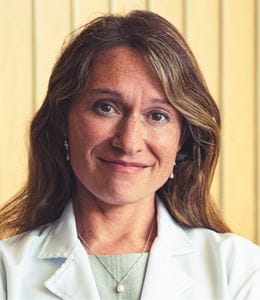
Dr. Cervantes won the BLASR in 2024 for her work advancing health equity and expanding access to care for undocumented immigrants.
In January 2025, Dr. Cervantes and colleagues wrote in the New England Journal of Medicine about the negative consequences of state policies requiring hospitals to collect and report information on patient citizenship status. They wrote that Greg Abbott’s Executive Order GA-46 in Texas “erodes trust between patients and clinicians; risks violating legal protections afforded to all patients, regardless of citizenship status; and undermines the integrity of the medical profession.”
In September, Dr. Cervantes and colleagues published “Breaking the Firewall—The Moral Calamity of Using Medicaid Data for Immigration Enforcement” in JAMA, warning against the sharing of Medicaid data with the Department of Homeland Security for their identification and location of undocumented immigrants throughout the country. “As clinicians, we must use our collective agency not only to demand that CMS reverse course but also to call on our representatives to enshrine ironclad protections for health data nationwide,” they wrote.
A month later, Dr. Cervantes, the Lown Institute’s Dr. Kelsey Chalmers, and colleagues published a study in JAMA analyzing Emergency Medicaid spending across 38 states & DC. They found that Emergency Medicaid, which covers patients regardless of coverage or immigration status, accounts for only 0.4% of total Medicaid expenditures. This built on work from earlier in the year documenting the landscape of emergency Medicaid and health coverage for undocumented immigrants.
And in October, Dr. Cervantes and colleagues published results from a randomized clinical trial showing that a community health worker (CHW) intervention helped improve outcomes for Hispanic and Latino individuals with kidney failure who rely on dialysis. “This opportunity for sustainable, reimbursable CHW services and the health benefits of CHW engagement demonstrated in this study suggest that providing CHW support for Hispanic and Latino individuals receiving hemodialysis is a practical and meaningful approach to improving patient outcomes,” they wrote in their JAMA Internal Medicine article.
Dr. Altaf Saadi – 2023 BLASR Winner
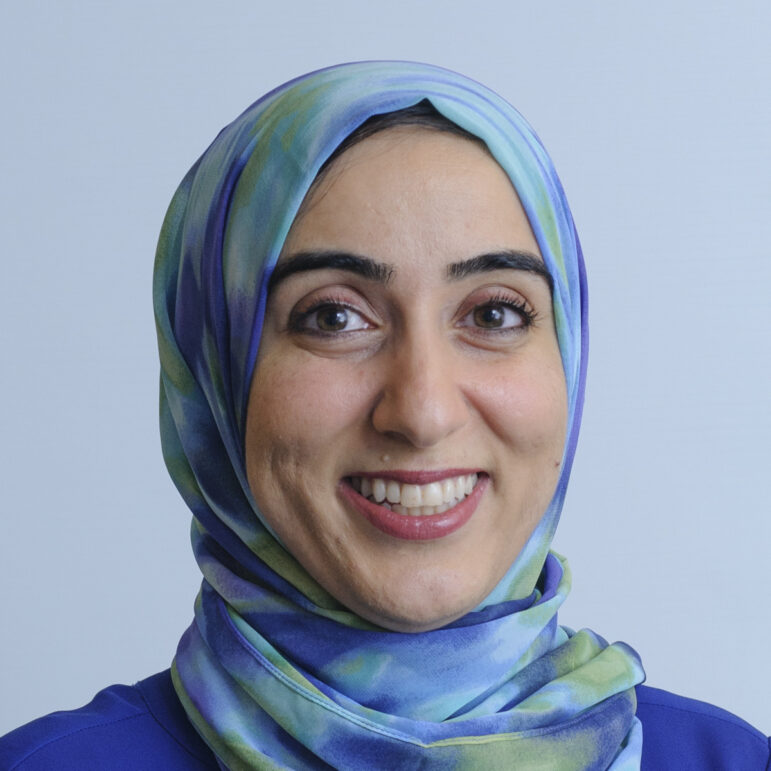
Dr. Saadi won the BLASR for her work as a health justice advocate for immigrants and others impacted by trauma.
In March, Dr. Saadi and co-author Dr. Kuczewski argued in MedPage Today that recent political policies requiring healthcare providers to collect immigration data or cooperate with enforcement agencies erodes patient trust, ultimately discouraging immigrants both documented and undocumented from seeking care, which in turn harms public health and increases costs for the entire community. They outline steps that healthcare facilities should take to protect patients and their families, including toolkits and other online resources.
Dr. Mona Hanna – 2022 BLASR Winner

Dr. Hanna won the inaugural BLASR for her bold work helping expose the Flint water crisis, and her continuous advocacy work to improve the health of children in Flint and beyond.
In 2024, Dr. Hanna and colleagues launched Rx Kids, the first community-wide cash transfer program with universal eligibility in the US, and published their results in JAMA Network Open this past October. They found that “implementation of Rx Kids, an upstream and place-based treatment of perinatal economic hardship, was associated with substantial improvements in prenatal care utilization in Flint, Michigan.”
The results were so impressive that Detroit is now joining Rx Kids. Detroit Mayor Mary Sheffield said, “Half of our children are living in poverty. That means that too many of our children are entering life’s journey burdened by financial hardship before they even take their first steps.” The Rx Kids program will help alleviate these burdens by offering expectant mothers a one-time allocation of $1,500 during pregnancy and $500 per month throughout the child’s first six months after birth.
Nominations closing soon!
Help us recognize and celebrate these extraordinary clinicians, like our previous BLASR winners, by submitting a nomination for the 2026 Bernard Lown Award. Nominations will close January 15.